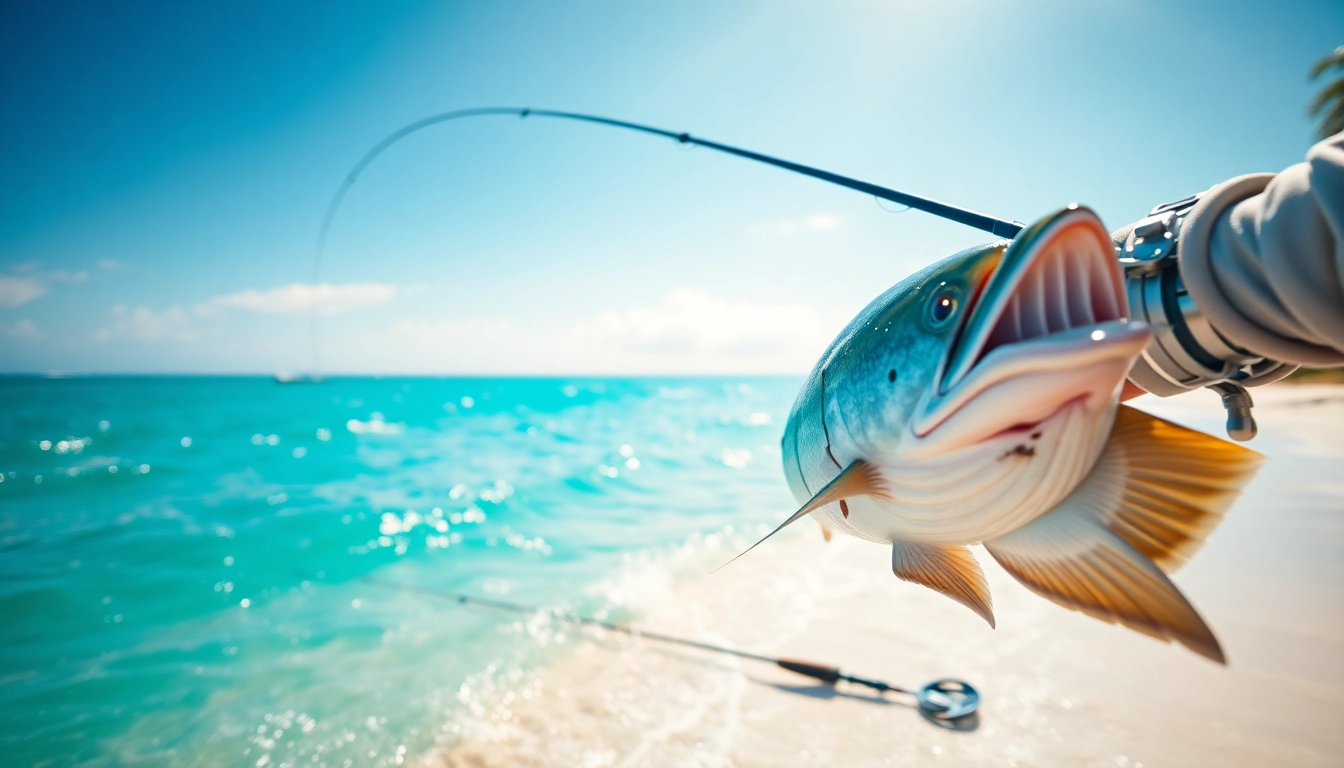
Introduction to Saltwater Fly Fishing
Saltwater fly fishing represents an exhilarating way to connect with some of the ocean’s most revered species. This method combines the art of fly fishing with the thrill of pursuing various game fish in coastal and offshore environments. Whether you’re a seasoned angler or a beginner, understanding the nuances of this specialized form of fishing can significantly enhance your experience. The variety of species, locations, and techniques makes saltwater fly fishing an appealing choice for freshwater anglers looking to transition. This comprehensive guide aims to elaborate on every aspect of Saltwater fly fishing, ensuring you are well-prepared for your next adventure.
What is Saltwater Fly Fishing?
Saltwater fly fishing involves using a lightweight rod and reel to cast artificial flies made from feathers, fur, or synthetics to attract saltwater fish. Unlike traditional fishing techniques that use bait, fly fishing requires skill in casting and retrieving the fly to mimic the movements of prey. This technique is particularly popular in areas with abundant species such as bonefish, tarpon, and permit, making it a rewarding challenge for anglers.
Benefits of Saltwater Fly Fishing
Engaging in saltwater fly fishing offers numerous benefits:
- Challenge and Skill Development: The requirement for precise casting and retrieve techniques fosters continuous improvement and adaptation.
- Diverse Experiences: From wading in shallows to deep-sea expeditions, saltwater fly fishing provides varied experiences across multiple beautiful environments.
- Connection with Nature: Fishing in saltwater provides a unique opportunity to appreciate marine ecosystems and their inhabitants, enhancing the angling experience.
- Physical Engagement: Fishing demands physical effort, from casting to battling the fish, and promotes an active lifestyle.
Common Saltwater Game Fish
Many thrilling species are targeted in saltwater fly fishing, including:
- Bonefish: Fast and elusive, often found in shallow waters.
- Tarpon: Known for their acrobatic jumps and size, a bucket-list fish for many.
- Permit: Often considered the ultimate fly fishing challenge due to their wariness.
- Snook: Favoring estuaries and coastal waters, they provide exciting action.
- Striped Bass: A popular game fish in northern coastal areas, known for its fight.
Getting Started with Saltwater Fly Fishing
Essential Gear for Saltwater Fly Fishing
Equipping yourself with the right gear is crucial for success. Here’s what you’ll need:
- Rod and Reel: Choose a saltwater-specific rod—typically 8-12 feet in length—paired with a durable reel designed to handle salt conditions.
- Fly Line: Floating and sinking lines tailored for saltwater fishing; weight classes vary based on target species.
- Leaders and Tippets: Use strong leaders and tippets to withstand abrasion from rough structures.
- Flies: Various patterns imitate local prey, and it’s helpful to have a selection that includes Clouser minnows, crab patterns, and poppers.
- Wading Boots and Gear: Protective footwear is essential if wading; consider breathable, quick-dry clothing.
Choosing the Right Location
Successful saltwater fly fishing greatly depends on location. Here are some tips on choosing the right fishing spots:
- Shallow Flats: Ideal for targeting species like bonefish and permit.
- Estuaries: These areas provide rich feeding grounds for various species.
- Jetties and Reefs: Structures often attract fish looking for shelter.
- Offshore Waters: For larger species such as tarpon and shark, find areas with strong currents and bait movement.
Best Seasons for Saltwater Fly Fishing
Knowledge of seasonal patterns is vital for optimizing fishing success. Generally, spring and fall are optimal for many species, while summer can offer exciting opportunities for tarpon. Adjust your fishing trips based on factors such as spawning seasons and migratory patterns.
Techniques and Strategies
Effective Casting Techniques
Perfecting casting techniques can make a substantial difference. Practice double-haul casting for increased distance and speed. Focus on smooth, controlled movements to introduce finesse into your presentation.
Understanding Tides and Weather
The influence of tides on fish behavior is crucial for success. Understanding when fish are likely to be feeding can give you an advantage. Pay attention to tidal movements, water temperature, and wind conditions to predict fish activity.
Fly Patterns to Use
Selecting the right fly pattern can be the key to success. Popular patterns include:
- Clouser Minnow: Works well for a variety of species with its realistic swimming motion.
- Deceiver: Excellent for imitating baitfish and attracting larger predators.
- Crab Patterns: Particularly effective for targeting permit and bonefish.
- Poppers: Ideal for species that strike aggressively, like snook and striped bass.
Advanced Saltwater Fly Fishing Tips
Learning to Read the Water
Reading the water effectively involves observing the surface for signs of fish activity. Look for surface disturbances, birds diving, or the presence of baitfish. Adjust your approach swiftly in response to what you observe.
Catching Difficult Species
Some species, such as permit, can be particularly challenging. Strategies include using stealthy approaches, presenting flies with accuracy, and understanding their feeding habits. Patience is essential—these fish can be skittish and require a nuanced approach.
Techniques for Catch and Release
Practicing ethical catch and release ensures sustainable fishing. Handle fish as little as possible and keep them in the water while removing hooks. Use barbless hooks to minimize injury and ensure the best chances for recovery.
Conclusion and Resources
Further Reading and Guides
For those keen to dive deeper into saltwater fly fishing, numerous resources are available online and in print. Local fishing clubs and online communities can also provide valuable insights and networking opportunities.
Connecting with the Fly Fishing Community
Engaging with other anglers, whether through forums, social media, or local clubs, can open doors to shared experiences and knowledge. Online platforms often feature argument strategies and innovative techniques worth exploring.
FAQs about Saltwater Fly Fishing
1. Does fly fishing work in saltwater?
Yes, fly fishing is highly effective in saltwater for various species such as bonefish and tarpon, offering unique challenges and rewarding experiences.
2. What is the 60/20/20 rule in fly fishing?
The 60/20/20 rule refers to the leader’s composition, where 60% is the butt section, 20% the midsection, and 20% the tippet section. This ensures strength and flexibility.
3. What saltwater fish can you fly fish for?
Common saltwater species include tarpon, bonefish, permit, snook, and striped bass, among others, each offering distinct challenges and fishing techniques.
4. Where is the best saltwater fly fishing?
Many incredible locations exist, including the Bahamas, Florida Keys, and coastal areas of California. These regions are renowned for their rich aquatic life.
5. What are effective fly fishing strategies for beginners?
Beginners should focus on mastering basic casting techniques, understanding tidal movements, and researching local species and their behaviors for successful fishing.
About the Author