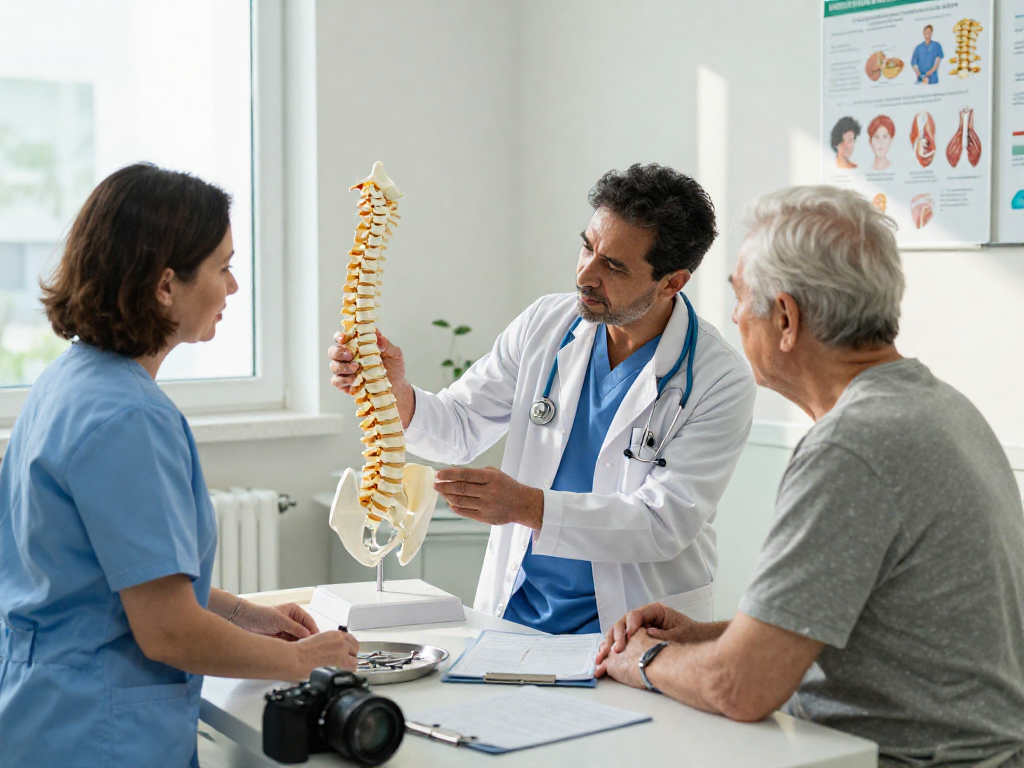
Understanding Dar Kanal Ameliyatı and Its Importance
Dar kanal ameliyatı, also known as spinal stenosis surgery, is a crucial procedure designed to alleviate pressure on the spinal cord and nerve roots caused by a narrowing of the spinal canal. This medical condition is often characterized by debilitating symptoms such as lower back pain, numbness in the legs, muscle weakness, and a decrease in walking ability. The significance of this surgery cannot be overstated, especially for the aging population, where spinal stenosis is increasingly prevalent. When exploring options, Dar kanal ameliyatı provides comprehensive insights into the surgical procedure, recovery, and long-term outcomes.
What is Spinal Stenosis?
Spinal stenosis refers to the narrowing of the spaces within the spine, which can lead to nerve compression and a range of neurological symptoms. This condition typically arises from degenerative changes related to aging, including the development of bone spurs, herniated discs, or thickened ligaments. Classically, spinal stenosis is classified into two primary categories: lumbar stenosis, affecting the lower back, and cervical stenosis, impacting the neck area.
Symptoms Indicating the Need for Surgery
Patients suffering from spinal stenosis may experience:
- Chronic lower back pain
- Numbness or tingling in the legs
- Muscle weakness
- Difficulty walking or maintaining balance
- Leg cramps during prolonged standing or walking (neurogenic claudication)
These symptoms can significantly hinder daily activities, leading to a diminished quality of life. In cases where conservative treatments such as physical therapy, medication, or epidural injections prove ineffective, surgical intervention may become necessary.
Benefits of Dar Kanal Ameliyatı for Patients
The primary aim of dar kanal ameliyatı is to relieve pressure on the spinal structures, thereby alleviating pain and restoring functionality. Some notable benefits include:
- Improved mobility and reduced pain levels
- Enhanced quality of life
- Quick recovery time with minimally invasive techniques
- Decreased reliance on pain management medications
- Long-term relief from debilitating symptoms
Types of Dar Kanal Ameliyatı Procedures
Vidasız Kapalı Dar Kanal Ameliyatı: Advantages and Techniques
Vidasız kapalı dar kanal ameliyatı, or minimally invasive surgery, employs modern techniques to access the spinal canal without the need for extensive tissue disruption. This approach typically involves smaller incisions (about 1 cm), which significantly reduces recovery time and postoperative pain. By utilizing specialized micro-instruments, surgeons can access the affected area while preserving surrounding muscle and tissue integrity.
Vidalı Dar Kanal Ameliyatı: When is it Essential?
In certain cases, the more traditional vidalı dar kanal ameliyatı may be necessary. This method involves the use of screws and rods to stabilize the spine after decompression, particularly in situations where the spine exhibits signs of instability. Indications for this approach include:
- Significant spondylolisthesis (slipping of the vertebrae)
- Severe degenerative changes with instability
- Evidence of spinal deformities
Comparison of Surgical Methods: Which is Best for You?
Choosing between vida and vidasız surgical methods depends on multiple factors, including the patient's specific spinal condition, overall health, and the extent of nerve compression. Each approach has distinct advantages and limitations, and a thorough assessment by a qualified spinal surgeon is critical to determining the most suitable option for individual patients.
Risks and Complications of Dar Kanal Ameliyatı
Common Surgical Risks and How to Mitigate Them
While dar kanal ameliyatı is generally safe, as with any surgical procedure, there are risks associated with it, such as:
- Infection at the surgical site
- Bleeding
- Nerve damage
- Persistent pain or sensory changes
To mitigate these risks, it is essential for patients to follow preoperative and postoperative care instructions carefully, as well as to select an experienced surgeon for the procedure.
Signs of Complications and When to Seek Help
Patients should be vigilant for potential signs of complications following surgery, including:
- Increased pain or swelling at the surgical site
- Fever or chills
- Loss of bladder or bowel control
- Numbness or weakness in the legs
If any of these signs occur, immediate medical attention should be sought to address potential complications promptly.
Understanding Revision Surgery: What to Expect
In some cases, patients may require revision surgery due to ongoing symptoms or complications from the initial procedure. Revision surgery may involve additional decompression, stabilization, or other interventions, depending on the underlying issues. Factors influencing the need for revision include:
- Incomplete decompression during the original surgery
- Development of new stenosis at adjacent levels
- Failure to stabilize the spine adequately
Recovery and Rehabilitation After Dar Kanal Ameliyatı
Post-Surgical Care: Essential Tips for a Smooth Recovery
Successful recovery from dar kanal ameliyatı involves adherence to a structured postoperative care plan. Key tips for a smooth recovery include:
- Follow prescribed rehabilitation exercises
- Avoid heavy lifting or strenuous activities during the initial recovery phase
- Maintain a balanced diet to promote healing
- Attend all follow-up appointments with your surgeon
Rehabilitation Exercises to Support Healing
Rehabilitation is crucial in the postoperative phase to regain strength and mobility. Exercises may include:
- Gentle stretching to enhance flexibility
- Strengthening exercises for core stability
- Low-impact aerobic activities such as walking or swimming
Long-term Outcomes and Patient Experiences
Long-term outcomes for patients undergoing dar kanal ameliyatı are generally positive, with many reporting significant improvements in pain levels and functional abilities. Patient testimonials often highlight the life-changing impact of successful surgery, allowing them to engage in daily activities without discomfort.
Cost and Insurance Information for Dar Kanal Ameliyatı
Factors Influencing the Cost of Surgery
The cost of dar kanal ameliyatı can vary significantly based on multiple factors including the chosen surgical method, the facility where the procedure is performed, and the complexity of the case. Other considerations may include:
- Geographic location of the surgical center
- Surgeon’s experience and reputation
- Length of hospital stay
Understanding Health Insurance Coverage for Procedures
Health insurance coverage for dar kanal ameliyatı can vary based on the patient's individual plan. Many policies cover a significant portion of the procedure, especially if deemed medically necessary. Patients are encouraged to verify their coverage details and consult their insurance provider to understand their specific benefits.
Financial Assistance Options for Patients
Patients concerned about the financial implications of dar kanal ameliyatı may explore financial assistance options, which could include:
- Payment plans offered by healthcare institutions
- Patient assistance programs from non-profit organizations
- Health savings accounts (HSAs)
What is the Risk of Recurrence Post-Surgery?
Many patients express concern about the possibility of recurrence of symptoms following surgery. While the direct recurrence of spinal stenosis at the site of surgery is unlikely, new stenosis can develop at adjacent spinal levels due to the ongoing degenerative process. Therefore, following a healthy lifestyle and adhering to follow-up care can help mitigate these risks.
Can Dar Kanal Ameliyatı Be Performed Without Implants?
Yes, dar kanal ameliyatı can be performed without the use of implants in certain cases where spinal stability is not compromised. This approach, known as vidasız kapalı dar kanal ameliyatı, is preferable for many patients, enabling quicker recovery and less postoperative pain.
Real Stories: Success Rates and Patient Testimonials
Many patients who have undergone dar kanal ameliyatı report significant improvements in their quality of life, with success rates generally ranging from 80% to 90%. Real-world testimonials illustrate how the surgery has enabled them to return to pre-injury levels of activity, engage in hobbies, and enjoy daily life free from the constraints of pain.
What Should Patients Do to Prevent Future Issues?
To minimize the risk of future spinal problems, patients should:
- Engage in regular, low-impact exercise to maintain spinal health
- Practice good posture
- Follow a balanced diet
- Stay compliant with prescribed rehabilitation programs
Frequently Asked Questions About Dar Kanal Ameliyatı
What is the Typical Recovery Time?
Recovery from dar kanal ameliyatı can vary based on the surgical method and individual patient factors. Many patients are discharged on the same day or after a short hospital stay, with complete recovery often observed within a few weeks.
Are There Non-Surgical Alternatives to Consider?
Non-surgical options such as physical therapy, steroid injections, or pain management treatments may be attempted prior to surgery. However, these methods may not be suitable for all patients, particularly those with significant symptoms resistant to conservative care.
What Lifestyle Changes Should be Made Post-Operatively?
Post-surgery, patients are encouraged to adopt a healthy lifestyle that includes:
- Regular physical activity tailored to their needs
- Avoiding smoking and excessive alcohol consumption
- Maintaining a healthy weight to reduce stress on the spine
How Do I Choose the Right Surgeon for My Procedure?
Selecting a qualified and experienced spinal surgeon is critical for successful outcomes. Patients should consider the surgeon’s experience with dar kanal ameliyatı, patient reviews, and outcomes when making their decision.
What Follow-Up Care is Necessary After Surgery?
Follow-up care is essential for monitoring recovery and addressing any complications. For more information, Dar kanal ameliyatı offers valuable insights. Patients should adhere to scheduled follow-up appointments and communicate any persistent or new symptoms to their healthcare team.