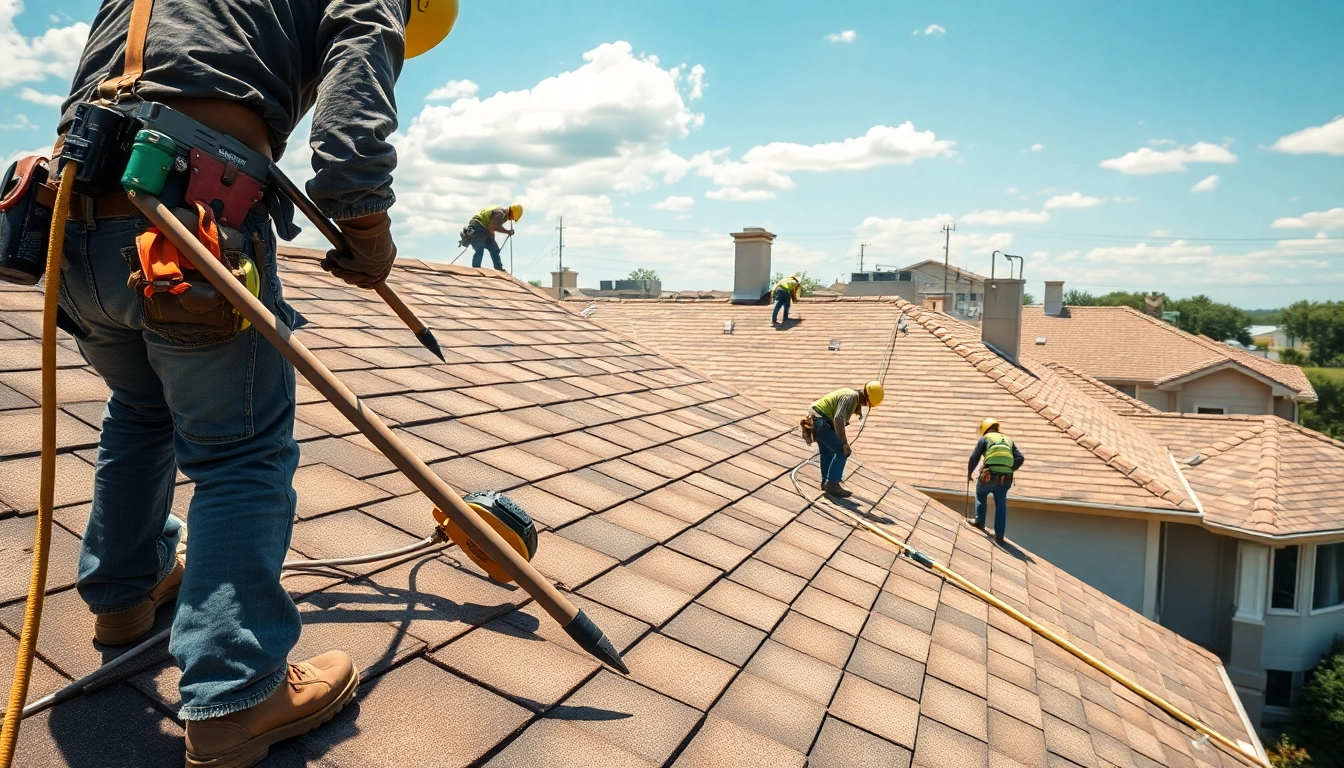
Understanding Professional Roofing Services
What are Professional Roofing Services?
When it comes to protecting your home or commercial property, one of the most vital elements is the roof. Professional roofing services encompass a range of activities related to the installation, maintenance, and repair of roofs. These services are essential for ensuring the longevity and durability of your roofing system. Experienced roofing professionals assess various factors, including the type of building, climate conditions, and structural requirements, to deliver comprehensive solutions tailored to each project.
Types of Roofing Materials
Choosing the right roofing material is crucial in achieving optimal durability and aesthetic appeal. Common roofing materials used in professional services include:
- Asphalt Shingles: Popular due to their affordability and ease of installation, asphalt shingles are available in various colors and styles.
- Metal Roofing: Known for its longevity and resistance to extreme weather, metal roofing comes in a variety of styles including panels and shingles.
- Clay and Concrete Tiles: These materials are renowned for their durability and are typically found in warmer climates.
- Slate: Offering an elegant appearance, slate roofs are highly durable but can be expensive and require skilled installation.
- Flat Roofing Systems: Mostly used in commercial properties, flat roofs may utilize materials such as EPDM, TPO, or modified bitumen.
The proper selection of materials not only influences the visual impact but also affects the roof's resistance to various environmental factors, thus impacting long-term costs and effectiveness.
Benefits of Hiring Professional Services
Hiring professional roofing services provides several benefits that can significantly affect the project outcome:
- Expertise and Training: Professionals are trained and experienced in various roofing techniques and adhere to building codes and safety regulations.
- Quality Materials: Industry connections enable professionals to access high-quality materials that are often not available to the public.
- Safety: Roofing is a high-risk task. Professionals have the necessary equipment and experience to perform the job safely.
- Long-Term Value: Quality workmanship ensures that the roof is durable and may require fewer repairs over its lifetime.
- Warranty Protection: Many professional roofing services offer warranties that provide peace of mind and protect your investment.
Choosing the Right Roofing Service Provider
Key Qualities to Look For
Selecting the right roofing service provider is paramount for the success of your roofing project. Look for companies that exhibit the following qualities:
- Reputation: Research customer reviews and testimonials to gauge the company’s reliability and service quality.
- Experience: Check how long the contractor has been in the business and their expertise in handling different roofing projects.
- Licensing and Insurance: Ensure they possess the necessary licenses and insurance to protect both you and the workers involved in the project.
- Clear Communication: A good contractor should be willing to answer your questions and provide transparent estimates without hidden costs.
- Specialization: Some companies may focus on particular types of roofing solutions; verify their area of expertise aligns with your needs.
Questions to Ask Prospective Contractors
When interviewing potential contractors, ask pertinent questions to clarify their capabilities:
- What types of roofing materials do you recommend for my specific needs, and why?
- Can you provide a written estimate and timeline for the project?
- Do you offer warranties for your work and materials?
- Can you provide references from past clients?
- How do you handle unexpected complications or changes during the project?
The answers to these questions can give insight into the contractor’s professionalism, preparedness, and dedication to customer satisfaction.
Checking Credentials and Experience
Before you hire, it's essential to verify the credentials and experience of the roofing service provider. Steps to take include:
- Check their licensing with relevant state or local authorities to ensure compliance with regulations.
- Confirm insurance coverage to protect yourself from liabilities, such as workplace injuries or property damage.
- Ask for case studies or examples of similar projects they have completed, can they provide before-and-after pictures?
- Consult local business directories or the Better Business Bureau for additional credibility and review ratings.
- Look for certifications from recognized roofing organizations, indicating a commitment to industry standards and practices.
Common Roofing Problems and Solutions
Identifying Roof Damage
Regular inspections can help identify potential roofing issues before they escalate into expensive repairs. Signs of roof damage include:
- Leaks: Water stains on ceilings or walls may indicate roof leaks that require prompt attention.
- Missing or Damaged Shingles: Missing or curling shingles can compromise the integrity of your roof.
- Granule Loss: Excessive granule loss in gutters can indicate the deterioration of asphalt shingles.
- Mold or Algae Growth: Dark patches can signify moisture retention, potentially leading to structural damage.
- Cracked Flashing: Damaged flashing around vents and chimney can lead to leaks and requires immediate repair.
Repairing vs. Replacing Roofs
When faced with roof damage, you must decide whether to repair or replace the roof. Several factors can influence this decision:
- Extent of Damage: Minor damage may only require repairs, while extensive damage could necessitate a full replacement.
- Age of the Roof: An older roof nearing the end of its lifespan might be better replaced than repaired.
- Cost Considerations: Consider the cost-effectiveness of repairs versus the investment required for a new roof.
- Long-Term Goals: If you plan to stay in your home long-term, investing in a new roof may prove more advantageous.
Consult with a professional roofing contractor to conduct a thorough assessment and provide tailored recommendations.
Preventative Maintenance Tips
Preventative maintenance is essential for prolonging the life of your roof and preventing costly repairs. Consider these strategies:
- Conduct regular inspections, ideally twice a year and after severe weather events.
- Keep gutters and downspouts clear from debris to ensure proper drainage.
- Trim overhanging branches to prevent damage from falling limbs and to reduce moss growth.
- Inspect flashing and seals around chimneys and vents to ensure they are intact.
- Invest in a professional maintenance plan that includes periodic inspections and minor repairs.
Estimating the Cost of Professional Roofing Services
Factors Affecting Roofing Costs
The cost of roofing services can vary widely based on several key factors, including:
- Roof Size: The larger the roof, the higher the cost of materials and labor.
- Roof Pitch: Steeper roofs may require specialized equipment and additional safety measures, affecting overall cost.
- Type of Material: Different roofing materials have varying costs, with high-end materials such as slate being more expensive than asphalt shingles.
- Location: Local labor rates and material costs can influence pricing; urban areas often have higher costs.
- Existing Issues: If there are underlying problems that need fixing prior to installation, these will increase costs.
Understanding Quotes and Estimates
When you receive quotes from contractors, they should detail specific aspects of the project:
- Overview of all materials included in the project.
- Labor costs and estimated hours of work needed.
- Details about permits and inspections included in the service.
- Any warranties or guarantees covering both the work and materials.
- A clear breakdown of payment terms and timelines for completion.
Review multiple estimates to ensure you have a comprehensive view of pricing and services offered. This will also allow for better negotiation and informed decision-making.
Budgeting for Roofing Projects
When planning for a roofing project, it's essential to establish a budget that considers all potential costs:
- Set a Realistic Budget: Factor in materials, labor, and contingency funds for unforeseen expenses.
- Explore Financing Options: Some contractors may offer financing, or you can explore personal loans or home equity lines of credit.
- Prioritize Quality: While it may be tempting to choose the least expensive option, remember that quality and durability come at a price.
- Plan for Long-Term Costs: Consider the long-term maintenance and potential repair costs to inform the best financial decision.
Post-Installation Considerations
How to Care for Your New Roof
The maintenance of your roof does not end with installation. Caring for your new roof can enhance its lifespan:
- Follow the manufacturer’s recommendations for maintenance and care.
- Conduct regular inspections, particularly after severe weather.
- Clear debris off the roof and from gutters to maintain proper drainage.
- Check for overhanging branches that may need to be trimmed back.
- Perform periodic washing of your roof, especially if moss or algae develop.
Signs Your Roof Needs Attention
Being able to recognize when your roof needs attention is crucial:
- Water stains appearing on ceilings or walls.
- A noticeable increase in energy bills may suggest insufficient insulation from roof issues.
- Loose or missing shingles, which can lead to leaks.
- Visible sagging in roof structure, which could indicate underlying structural problems.
- Excessive granules in gutters, indicating the wear of shingles.
Long-Term Maintenance Strategies
Developing a long-term maintenance plan will serve to protect your investment and prolong the life of your roof:
- Schedule professional inspections at least once a year.
- Have the roof cleaned and treated to prevent algae and moss growth.
- Keep records of all maintenance, inspections, and repairs for future reference.
- Ensure communication with roofing professionals about any concerns or observations you notice over time.
- Be aware of the warranty terms and follow necessary maintenance requirements stipulated by the manufacturer.