Understanding Concrete Cleaning Basics
In the realm of property maintenance, concrete cleaning plays a pivotal role, especially for homeowners and business owners in Kissimmee and the greater Orlando area. Whether it’s driveways, patios, or commercial lots, the aesthetic and structural integrity of concrete surfaces significantly impacts property value and curb appeal. Regular cleaning not only enhances appearance but also prolongs the life of these surfaces, making it an essential task.
What is Concrete Cleaning and Why is it Essential?
Concrete cleaning refers to the process of removing dirt, stains, and environmental contaminants from concrete surfaces. This cleaning is vital because accumulated grime can lead to deterioration, structural issues, and an uninviting appearance. Just as pressure washing revitalizes surfaces, concrete cleaning involves using high-pressure water jets or specially formulated detergents to restore concrete to its original state.
Common Types of Concrete Stains and Their Causes
- Oil Stains: Often caused by vehicle leaks, oil stains can penetrate concrete, making them difficult to remove without proper cleaning solutions.
- Mold and Mildew: In humid climates like Florida, mold and mildew can grow on damp concrete, creating health hazards and unsightly patches.
- Rust Stains: From metal furniture or tools left on concrete, rust stains can be particularly stubborn.
- Food and Beverage Spills: Common in outdoor dining areas, these stains can attract insects and create unpleasant odors.
Safety Precautions for Concrete Cleaning
When cleaning concrete, safety should always be a primary concern. Here are essential precautions to take:
- Wear protective eyewear to shield against debris and chemicals.
- Use gloves to prevent skin contact with cleaning agents and harmful substances.
- Ensure adequate ventilation if working with chemical cleaners indoors.
- Consider the environment; use eco-friendly products whenever possible.
Techniques and Tools for Effective Concrete Cleaning
The Role of Pressure Washers in Concrete Cleaning
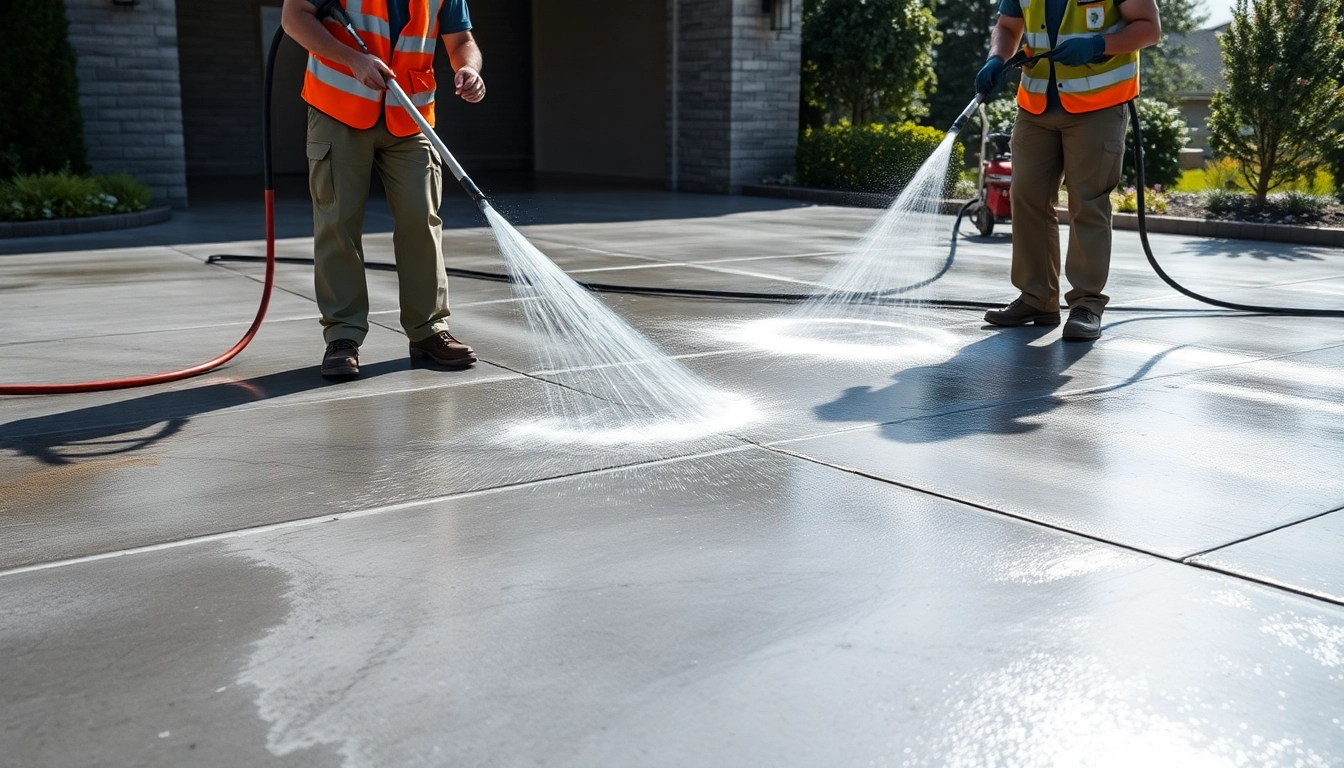
Pressure washers are invaluable tools for concrete cleaning. They use high-pressure water streams to blast away dirt and grime effectively. Different nozzles can alter the water pressure, allowing for versatile cleaning applications:
- Rotary Nozzles: Ideal for heavy stains and grime.
- Fan Nozzles: Great for spreading the pressure evenly across larger areas.
- Surface Cleaners: Useful for driveways and patios, providing a consistent clean without streaks.
Eco-Friendly Cleaning Solutions for Concrete
As consumers become more environmentally conscious, eco-friendly cleaning solutions have emerged. These include:
- Baking Soda: An effective and non-toxic method for grease and oil stain removal.
- Vinegar: Contains acetic acid, which helps dissolve tough stains.
- Commercial Biodegradable Cleaners: Formulations that safely break down stains while being less harmful to the environment.
Choosing the Right Equipment for Your Needs
Selecting the right equipment is crucial for achieving optimal results in concrete cleaning. Consider factors such as:
- The size of the area being cleaned.
- The type of stains present.
- Your access to water supply and drainage.
- Your budget for cleaning supplies and equipment rental or purchase.
Step-by-Step Guide to Concrete Cleaning
Preparing the Area for Cleaning
Effective concrete cleaning begins with proper preparation:
- Clear the area of furniture, plants, and debris.
- Inspect the concrete surface for cracks or damage that may need repair before cleaning.
- Pre-treat any significant stains with appropriate cleaning solutions to allow them to soak.
Executing the Cleaning Process
Once the area is prepared, follow these steps:
- Choose the appropriate pressure washer setting and nozzle to match the surface and stains.
- Begin cleaning from the highest point and work downwards to ensure dirt flows off and does not re-soil cleaned areas.
- Use a sweeping motion with the pressure washer to cover all areas uniformly, taking care to pay special attention to stubborn stains.
Post-Cleaning Maintenance Tips
After cleaning, maintaining the appearance of your concrete is essential. Here are some tips:
- Seal the concrete periodically to prevent future stains.
- Regularly sweep the area to remove debris.
- Immediately clean up any spills to prevent staining.
Addressing Common Concrete Cleaning Challenges
Dealing with Stubborn Stains and Mold
Some stains are notoriously difficult to remove. For persistent stains, consider using a mixture of hot water and a suitable cleaning agent, and allow it to soak before pressure washing.
Understanding Surface Damage Risks
While pressure washing is effective, improper use can lead to surface damage, especially on older or weaker concrete. Always test a small area first and use the appropriate pressure settings.
How to Know When to Call a Professional
If DIY methods do not yield results, or if the cleaning task is extensive, it may be time to call in a professional. They bring experience, the right tools, and eco-safe products to handle any concrete cleaning challenge.
Future Trends in Concrete Cleaning for 2025 and Beyond
Innovations in Cleaning Technology
The concrete cleaning industry is evolving with new technologies, including automated cleaning machines and advanced biodegradable chemical formulations. These innovations not only enhance cleaning efficiency but also prioritize environmental safety.
Increasing Demand for Eco-Conscious Solutions
As awareness of environmental issues grows, more consumers are seeking eco-friendly cleaning solutions. This trend is encouraging manufacturers to develop less toxic and more sustainable products.
Emerging Techniques in the Market
Techniques such as steam cleaning and dry ice blasting are gaining traction for their effectiveness and lower environmental impact. These approaches can effectively remove stains while minimizing water usage.
About the Author