Understanding Food Tracking Apps
As the quest for effective health and nutrition solutions continues, food tracking apps have emerged as vital tools for individuals seeking to manage their diets more consciously. These applications serve not only as calorie counters but as comprehensive dietary support systems that help users understand their eating habits. With various options flooding the market in 2026, choosing the right food tracker can be overwhelming. That’s where resources like the best food tracker reviews come into play, providing insights tailored to individual goals.
What is a Food Tracking App?
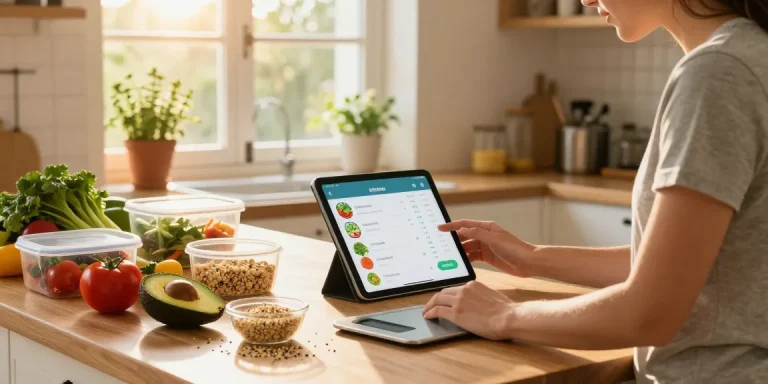
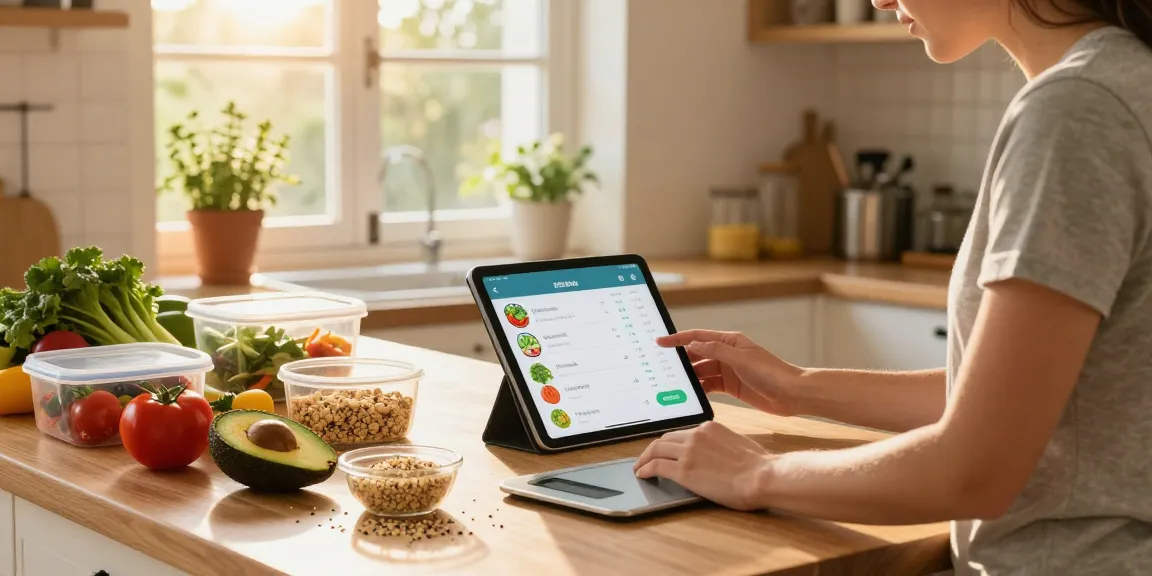
Food tracking apps are digital platforms designed to help users log their meals, track calorie intake, and monitor overall nutrition. By offering a user-friendly interface, these apps allow individuals to easily input their dietary choices, whether they are home-cooked meals or restaurant dishes. Most apps come equipped with extensive food databases that contain detailed nutritional information about various items, making it easier to maintain accountability and reach health goals.
How Food Trackers Benefit Your Diet
The primary advantage of using food tracking apps lies in their ability to provide users with a clear picture of their dietary habits. By regularly logging food consumption, users can identify patterns, such as excessive snacking or insufficient protein intake. Here are several key benefits:
- Enhanced Awareness: Users gain insight into their eating habits, which encourages more mindful eating.
- Goal Setting: Many apps allow for personalized goal setting, whether it’s weight loss, muscle gain, or improved overall health.
- Accountability: Tracking meals can foster a sense of accountability, making users less likely to stray from their dietary plans.
- Educational Resources: Most food trackers provide educational content, helping users learn about nutritious choices and portion sizes.
Common Misconceptions About Food Tracking
Despite their popularity, misconceptions about food tracking apps persist. Many individuals believe that these apps are only useful for weight loss, when in fact they can support a variety of dietary needs, including muscle gain, maintenance, and even managing conditions like diabetes. Additionally, some users worry that the process of tracking is too cumbersome, while modern user-friendly designs aim to alleviate this concern.
Top Food Trackers of 2026
As we dive into 2026, several food tracking apps have risen to prominence based on independent testing and user feedback. Here, we examine the best food tracker apps of the year, evaluating their unique features and benefits.
Reviewing the Best Food Tracker Apps
In our review of the top food trackers, four standout apps emerged based on their performance across various segments, including usability, database quality, and coaching capabilities:
- Welling: A leader in integration with dietary coaching, making it ideal for individuals seeking ongoing support.
- Cronometer: Known for its emphasis on micronutrient tracking, suitable for health-conscious users looking to optimize their nutrition.
- MacroFactor: A highly adaptive app that tailors macro recommendations based on user data and goals.
- YAZIO: Offers robust meal planning features along with an engaging user interface.
Comparative Analysis of Features
Comparing features across food trackers reveals distinctions that cater to various user preferences. For instance, while Welling excels in personalized coaching, Cronometer is unrivaled in its micronutrient granularity. Users must assess their individual needs against these strengths to find the best solution for their dietary approach.
Segmented Rankings: Who Tops the List?
Our analysis ranks these applications based on eleven weighted segments, ensuring a comprehensive assessment of each app’s performance. Results are based on thousands of logged meals and rigorous testing methods, affirming the validity of our findings.
- Most Accurate: Cronometer.
- Easiest to Use: Welling.
- Best International Database: YAZIO.
- Top Meal Planning: Lifesum.
Choosing the Right Food Tracker for You
With numerous options available, finding the right food tracker to meet personal needs involves careful consideration of various key features and expectations. Below are essential aspects to weigh when making your selection.
Key Features to Consider
When choosing a food tracking app, consider the following:
- User Interface: An intuitive design is crucial for daily use.
- Customizability: Personalization options help tailor the app to your specific dietary goals.
- Database Quality: The accuracy and comprehensiveness of the food database are pivotal for effective tracking.
- Integration with Other Tools: Compatibility with fitness trackers and meal-planning apps can enhance usability.
How to Assess Your Food Tracking Needs
To effectively assess your needs, consider your primary dietary goals, whether it be weight loss, muscle gain, or maintaining a balanced diet. Understanding your approach will guide you to the app that most closely aligns with your objectives, ensuring a higher chance of consistent use and success.
7 Questions to Find Your Ideal App
- What is my primary dietary goal?
- How often do I plan to log my meals?
- Am I interested in meal planning features?
- Do I require nutritional coaching or support?
- How important is the integration of exercise tracking?
- What level of data analysis do I want?
- What is my budget for a food tracking app?
The Science Behind Calorie Tracking
Food tracking apps rely on algorithms and extensive databases to provide accurate caloric and nutritional information. This section explores the relationship between these tools and dietary outcomes.
Do Food Tracking Apps Help with Weight Loss?
Research consistently shows that food tracking can facilitate weight loss when used correctly. By enabling users to visualize their intake, these apps promote mindfulness and discourage mindless eating. However, it’s essential to choose an app aligned with your specific dietary philosophy, as not all apps cater to every nutritional stance.
Accuracy of AI-Powered Calorie Counting
Artificial intelligence is increasingly integrated into food tracking apps, offering users innovative logging methods such as image recognition. However, the accuracy of AI varies; tests have shown that while some AI tools are effective, they can struggle with complex meals. Evaluating each tool’s accuracy based on user feedback and independent testing can mitigate errors.
Database Quality vs. Size: What Matters Most?
Users often assume that a larger food database automatically equates to better results. However, the quality of entries—verified nutrition information versus generic estimates—plays a more significant role in accuracy. As highlighted by registered dietitians, choosing an app with a proven record of verified entries is more beneficial than merely opting for one with an expansive database.
Future Trends in Food Tracking Technology
The landscape of food tracking is rapidly evolving, with technological advancements shaping user experiences. Future trends indicate a move towards more personalized, AI-driven solutions.
Innovations in Nutrition Coaching
As nutrition science advances, food tracking apps are beginning to integrate more sophisticated coaching elements. This includes tailored meal plans, real-time feedback, and even adjustments based on changing health goals or activity levels. Such innovations can enhance user engagement, leading to more successful dietary outcomes.
Predictions for Food Tracking in 2026
Looking forward, we can expect food tracking apps to become even more integrated into our daily lives—leveraging wearables to provide real-time feedback and personalized guidance on nutrition and exercise. With the growth of health-conscious consumers, developers will focus on creating more holistic solutions that cater not only to dietary needs but also to lifestyle preferences.
The Role of AI in Future Food Tracking Apps
Artificial intelligence will play a crucial role in the future of food tracking. The advanced capabilities of AI can enhance image recognition for faster logging, deliver personalized recommendations, and continuously learn from user behavior to improve its feedback mechanisms. As these technologies evolve, users will benefit from increasingly accurate and relevant dietary insights.
What is the most accurate food tracking app?
According to our evaluations, Cronometer stands out for its precision in micronutrient tracking. Users seeking accuracy in their nutritional data often gravitate towards this app for its extensive database that minimizes the risk of errors.
Can food tracking help with dietary restrictions?
Absolutely! Many food tracking apps allow users to customize their profiles based on dietary restrictions, such as gluten-free, vegan, or ketogenic diets. This flexibility ensures that the tracking experience aligns with individual health requirements.
How do I choose the best food tracker for weight loss?
To choose a food tracker that supports weight loss, look for features such as calorie counting, macro tracking, and meal planning functionalities. Furthermore, it’s crucial to select an app that motivates that aligns with your food preferences and convenience.
Are free food tracker apps worth using?
Depending on the individual, free apps can be an excellent starting point. They typically offer basic logging features, but may lack advanced functionalities present in subscription-based apps. Evaluating your goals will help you determine if a free app meets your needs.
What features make a food tracker app user-friendly?
User-friendly trackers often feature intuitive interfaces, easy meal logging methods (like barcode scanning), and informative visualizations of data. A supportive community or access to dietary coaching can also enhance the user experience.
About the Author