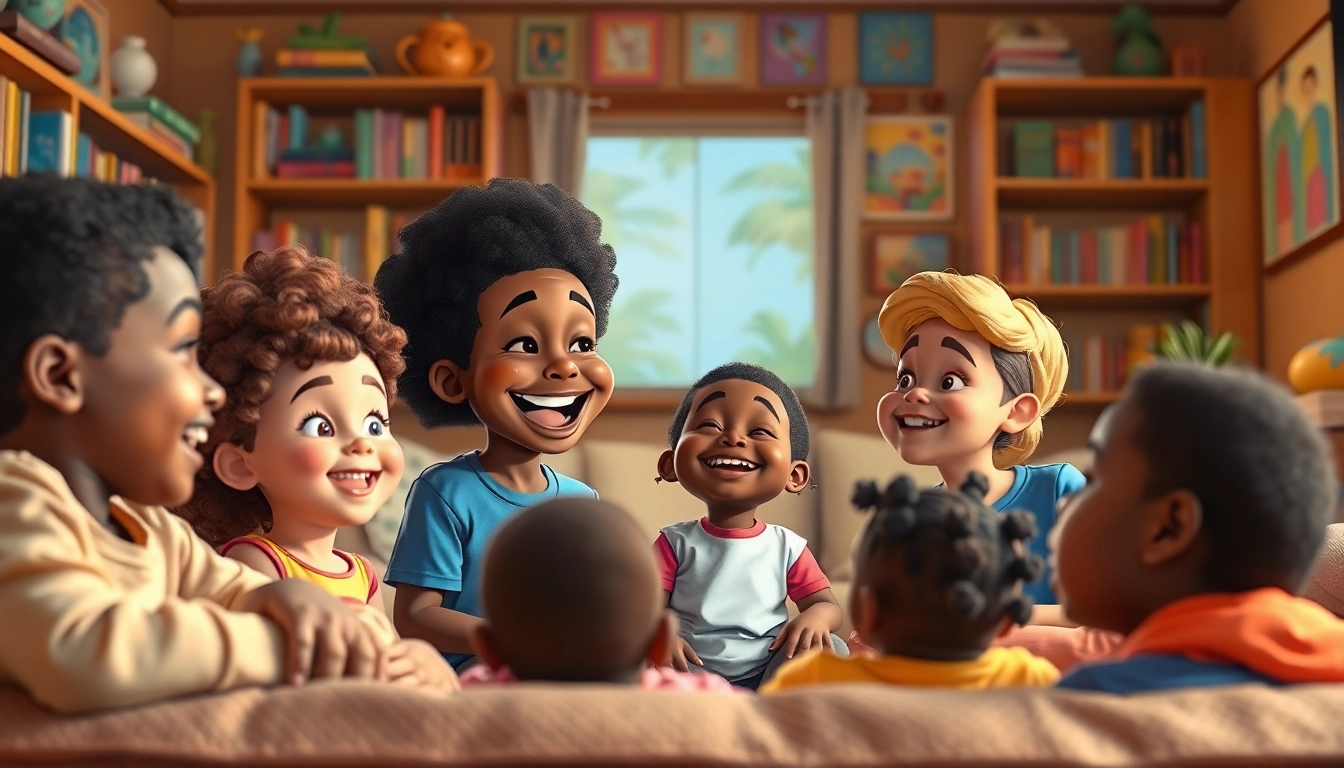
Understanding African American Cartoons
African American cartoons encapsulate a rich tapestry of cultural expression, storytelling, and socio-political commentary. As animation continues to evolve, these animated series serve as important vehicles for expressing the complexities of identity, history, and societal norms within the African American experience. By examining the nuances of animated content created by and for African Americans, we can appreciate their significance not only in the realm of entertainment but also in cultural representation. When exploring options, African American Cartoons provide comprehensive insights into this vibrant genre.
What Defines African American Cartoons?
African American cartoons are defined by their cultural relevance and emphasis on characters that reflect the wide array of experiences within the African American community. These cartoons often portray strong narratives, featuring relatable protagonists, traditional folklore, and modern contexts that resonate with viewers of all ages. In essence, these animated works are not simply for entertainment; they are powerful narratives that carry messages about resilience, community, and self-identity.
The Cultural Significance of Representation
Representation in media has always played a crucial role in shaping societal perceptions and individual self-esteem. For African Americans, cartoons that feature Black characters, stories, and themes are vital for instilling a sense of pride and belonging. They help combat stereotypes while showcasing the diversity within the community. As children and adults alike engage with these stories, they foster a deeper understanding of African American culture and history, thus contributing to a more inclusive media landscape.
Historical Overview of African American Animation
The journey of African American animation dates back to the early 20th century, with pioneering figures such as Oscar Micheaux and later, the establishment of studios that aimed to produce content for Black audiences. Iconic series like “Fat Albert and the Cosby Kids” and “The Boondocks” have paved the way for newer titles, showcasing the evolution of storytelling that highlights African American experiences. Understanding this history is essential to appreciating the current landscape of African American cartoons, which continues to push boundaries and challenge norms.
Top African American Cartoons for Kids
The world of animation is filled with diverse offerings that not only entertain children but also educate them. Here are some standout African American cartoons that children can enjoy:
Classic Favorites: Icons of Animation
- Fat Albert and the Cosby Kids: This beloved series follows the adventures of a group of friends living in a Philadelphia neighborhood, promoting lessons of friendship and responsibility.
- The Proud Family: A groundbreaking show that depicts the life of a young African American girl and her family, illustrating the ups and downs of adolescence and family dynamics.
- Static Shock: Featuring a teenage superhero dealing with real-world issues, this series combines action with important themes like bullying and social justice.
Contemporary Picks: New Voices in Animation
- Craig of the Creek: This series focuses on the imaginative adventures of a young Black boy and his friends in their local creek, touching on themes of friendship and creativity.
- Doc McStuffins: Aimed at preschoolers, this show features a young girl who can heal toys. It promotes themes of empathy and caring, reflecting contemporary values.
- Motown Magic: A fun-filled exploration of the classic Motown sound, this show combines music and animation to engage young viewers and teach them about cultural heritage.
Educational Benefits of African American Cartoons
Besides entertainment, African American cartoons serve as educational tools that teach children about cultural heritage, social issues, and emotional intelligence. For instance, “Doc McStuffins” is not only entertaining but also encourages kids to understand empathy through its storylines centered around helping others. Engaging with such content allows children to relate more directly to the characters, fostering both learning and meaningful discourse.
Impact of African American Cartoons on Society
The influence of African American cartoons extends beyond entertainment into significant societal implications. Here’s how they shape culture and impact communities:
Shaping Identity and Culture Through Animation
Animation serves as a lens through which viewers can understand diverse identities. African American cartoons allow for exploration of cultural narratives that may be overlooked in mainstream media, contributing to a broader understanding of racial and ethnic identities. These representations encourage pride within the community and foster mutual respect among various cultural groups.
Addressing Social Issues in Animated Stories
Many African American cartoons tackle pressing social issues, from systemic racism to mental health awareness. For example, “The Boondocks” is renowned for its satirical approach to socio-political commentary, cleverly addressing issues through humor while promoting significant discussions around race and society.
Influence on Future Generations
The cartoons of today have the potential to shape the values and beliefs of future generations. By showcasing positive role models and complex narratives, these cartoons instill confidence and resilience in young viewers. They inspire children to dream of greatness, regardless of their backgrounds, by normalizing diverse representations in media.
How to Access African American Cartoons
For those eager to dive into the world of African American cartoons, various platforms and resources are available to explore:
Streaming Services Offering African American Cartoons
Popular streaming services such as Netflix, Hulu, and Disney+ feature a range of African American cartoons, allowing subscribers to enjoy both classic and contemporary favorites. Additionally, platforms like YouTube host a variety of educational cartoons tailored for African American children, expanding accessibility.
Finding Hidden Gems in Animation
In the search for lesser-known titles, exploring independent creators on platforms such as Vimeo or social media can lead to discovering unique animated content. Many creators are producing innovative work that represents African American experiences in fresh ways.
Utilizing Social Media for Discovering New Content
Social media platforms, particularly Twitter and Instagram, are excellent resources for finding new African American cartoons. Following creators and studios can provide insights into their latest projects, ensuring viewers stay informed about emerging content and trends in the animation industry.
Future Trends in African American Animation
The future of African American animation appears bright, with several trends emerging that promise to reshape the landscape:
Emerging Artists and Innovations in the Industry
With a growing number of Black animators and creators gaining recognition, the industry is witnessing a wave of fresh perspectives. These emerging talents are using innovative techniques and storytelling methods to engage audiences, reflecting contemporary social realities.
Predictions for African American Cartoons in 2026
As we look toward 2026, one can anticipate a diversification of themes in African American cartoons, with an emphasis on mental health, environmental issues, and social justice. The integration of interactive media will likely become more prominent, encouraging viewer participation and deeper engagement with the narratives.
Engaging the Next Generation Through Interactive Media
The rise of digital technologies and platforms opens up new avenues for storytelling. Interactive cartoons or web series that allow audiences to make choices can become an effective tool to engage younger generations, encouraging critical thinking and discussions around complex themes presented in the content.
About the Author