Understanding the Landscape of Education
Education is an ever-evolving field, deeply rooted in culture, society, and technology. Its landscape has shifted dramatically over the years, adapting to the needs of both learners and educators. As the foundation for both personal and professional success, understanding the nuances of Education is crucial in order to foster a knowledgeable society. This article delves into the intricate dynamics of education, exploring its evolution, the importance of inclusive practices, and the pivotal role technology plays in creating accessible learning environments.
The Evolution of Education Trends
Historically, education has transformed from a one-size-fits-all model to more personalized and diverse approaches. The traditional classroom setup, characterized by a teacher-centric approach, has gradually given way to methodologies that recognize and celebrate individual differences. For instance, the shift towards project-based learning, which promotes collaboration and problem-solving skills, illustrates how educational trends have evolved to meet the demands of the 21st century. The integration of social-emotional learning (SEL) into curricula also reflects a broader understanding of the importance of holistic development, aiming to equip students with both academic and interpersonal skills.
Importance of Inclusive Practices
Inclusive education is more than just a buzzword; it’s a fundamental principle that seeks to provide equitable opportunities for all learners, regardless of their background or abilities. The significance of inclusive practices cannot be overstated, as they not only promote diversity but also enhance educational outcomes. Research indicates that systems and methodologies that foster inclusivity lead to improved academic performance and emotional well-being among students. Strategies such as differentiated instruction, universal design for learning (UDL), and multi-tiered systems of support (MTSS) are essential for accommodating the varied learning needs present in today’s classrooms.
Technology’s Role in Modern Education
With the rapid advancement of technology, education has also undergone a revolutionary change. The integration of digital tools and platforms enables interactive learning experiences that were previously unimaginable. Online resources, educational software, and virtual classrooms facilitate personalized learning at scale. Moreover, technology fosters collaboration beyond geographical boundaries, allowing students to engage with peers and experts worldwide. However, this transition also necessitates critical discussions about digital citizenship, data privacy, and the digital divide, ensuring that all students have equal access to these technological advancements.
Identifying Diverse Learning Styles
Understanding that learners have diverse needs is key to promoting effective education. By identifying various learning styles, educators can tailor their instruction to support students in achieving their full potential.
Auditory Learners: Engaging with Sound
Auditory learners thrive when they can engage with sound, benefiting from lectures, discussions, and audio materials. To optimize learning for these individuals, educators can incorporate music, podcasts, and audiobooks into lessons. Group discussions allow auditory learners to verbalize thoughts and ideas, thus reinforcing retention and comprehension.
Visual Learners: The Power of Imagery
Visual learners grasp concepts more effectively when information is presented through images, diagrams, and charts. Educators can cater to these students by utilizing visual aids in presentations and encouraging creative projects that leverage visual expression. Incorporating multimedia resources enhances engagement and helps these learners make connections between concepts more easily.
Kinesthetic Learners: Learning Through Movement
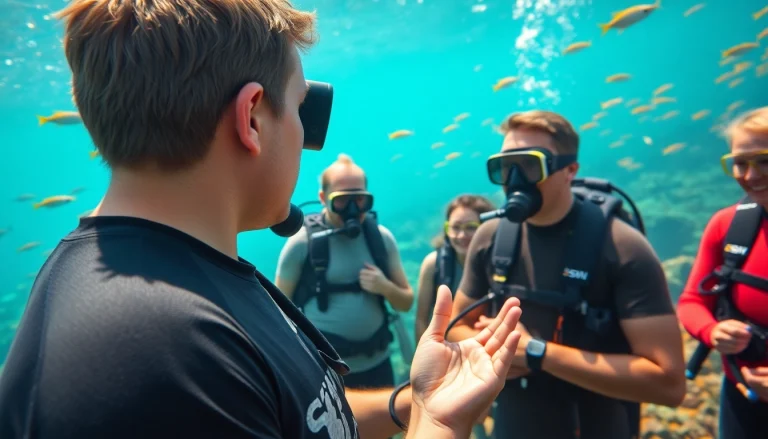
Kinesthetic learners engage best through hands-on experiences and physical activity. These learners benefit from interactive activities, role-playing scenarios, and real-world problem-solving tasks. Incorporating movement into lessons and utilizing tools like educational games can help capture their attention while reinforcing learning concepts.
Implementing Innovative Teaching Strategies
To foster a more engaging and effective educational environment, educators must embrace innovative teaching strategies that encourage student participation and enthusiasm for learning.
Project-Based Learning in Education
Project-based learning (PBL) emphasizes student-driven inquiry, enabling learners to explore real-world problems and engage in collaborative problem-solving. This method not only helps students build essential skills but also fosters creativity and critical thinking. By allowing students to take ownership of their learning experience, PBL cultivates a sense of purpose and relevance, bridging the gap between academic content and practical application.
Collaborative Learning Environments
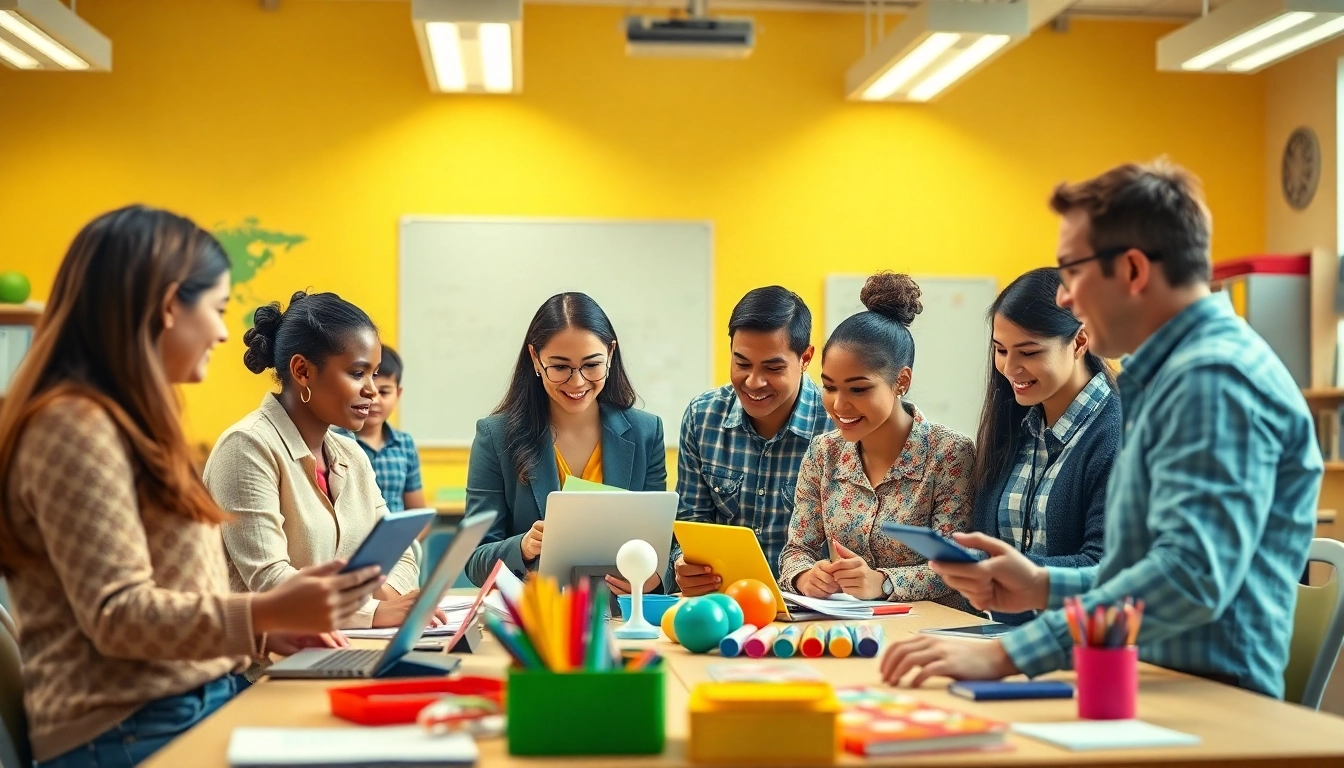
Collaboration within educational settings fosters teamwork, communication, and interpersonal skills. Creating collaborative learning environments promotes peer interaction and helps build a classroom community. Educators can implement cooperative learning strategies, such as group projects and peer tutoring, ensuring students learn from one another while deepening their understanding of course material.
Integrating Technology Effectively
When integrated effectively, technology can enhance educational experiences and outcomes. Tools such as learning management systems (LMS) and educational apps provide opportunities for personalized learning and streamlined communication. Moreover, teachers should be trained and supported in selecting appropriate tools and resources that align with their pedagogical goals, ensuring technology serves as a meaningful complement to their instructional practices.
Measuring Success in Education
Measuring success in education extends beyond standardized test scores. By employing a comprehensive range of assessment techniques, educators can gain a deeper understanding of student learning and make informed instructional decisions.
Assessment Techniques for Different Styles
To accommodate various learning styles, assessment techniques must be diverse and multifaceted. Formative assessments, such as quizzes, reflections, and class discussions, allow educators to gauge understanding throughout the learning process. Summative assessments, including projects and presentations, provide valuable insight into student performance and mastery of content. Alternative assessments, such as portfolios and self-assessments, further empower students to take ownership of their learning journey.
Feedback Mechanisms That Work
Constructive feedback is essential in promoting student growth. Timely and specific feedback not only clarifies expectations but also encourages students to reflect on their learning. Educators can utilize peer feedback, self-assessment opportunities, and one-on-one discussions to foster a culture of continuous improvement and enhance learners’ self-efficacy.
Adjusting Methods Based on Outcomes
Continuous assessment of instructional effectiveness is crucial to optimizing educational outcomes. By analyzing assessment data, educators can identify trends and patterns, allowing them to adjust their teaching methods accordingly. This iterative process of evaluation, reflection, and adjustment ensures that instruction remains responsive to students’ needs, ultimately enhancing learning experiences.
Future Trends in Education
As we look ahead, several trends are poised to shape the future of education, reflecting the dynamic landscape of knowledge, technology, and society.
Personalized Learning Approaches
Personalized learning strategies are gaining traction as educators recognize the importance of catering to individual student needs. By utilizing data analytics, adaptive learning platforms, and tailored instructional resources, educators can create customized learning paths that reflect each student’s unique strengths and challenges. This approach not only fosters academic success but also cultivates a love for learning by enabling students to pursue their interests and passions.
The Impact of Globalization on Education
Globalization has transformed education in myriad ways, fostering greater interconnectivity and collaboration among students worldwide. Online learning communities provide opportunities for cross-cultural exchanges and global perspectives, enabling students to develop a broader worldview. Moreover, a greater emphasis on global citizenship prepares students to navigate and succeed in an increasingly interconnected world.
Preparing for Careers in a Digital Age
The rapid evolution of technology necessitates that educational systems adapt to prepare students for future careers. A focus on digital literacy, critical thinking, and adaptability is essential for equipping students with the skills needed to thrive in a workforce characterized by constant change. By integrating career exploration and skill development into curricula, educators can help students align their passions with employment opportunities, thus paving the way for successful futures.
About the Author