Understanding Image to Prompt AI Technology
The evolution of artificial intelligence has given rise to an innovative approach: converting images into textual prompts. This technology, known as Image to Prompt AI, allows users to leverage existing visual content to generate precise text prompts suitable for various applications. Whether in design, marketing, or content creation, the ability to extract detailed descriptions from images enhances creative processes. When exploring options, image to prompt ai offers comprehensive insights into maximizing this technology.
What is Image to Prompt AI?
Image to Prompt AI refers to systems that analyze visual data and generate corresponding textual descriptions or prompts. These systems employ sophisticated image recognition algorithms and natural language processing techniques to interpret visuals accurately. The result is a prompt that encapsulates the key features and elements of an image, making it easier for creators to use those details in further applications.
Key Features and Benefits of AI Prompt Generators
AI prompt generators are transforming the way creatives interact with existing images. Here are some of the standout features:
- Efficiency: Quickly generates text prompts, saving time for designers and marketers.
- Scalability: Able to process large volumes of images to produce prompts without human intervention.
- Consistency: Maintains a standardized quality of prompts, reducing variability in interpretation.
- Versatility: Can be applied across different sectors, from graphic design to educational content creation.
How Image Recognition Powers Prompt Generation
Image recognition technology is at the heart of AI prompt generation. These systems utilize deep learning models trained on vast datasets, enabling them to identify objects, textures, and even emotions within images. The relationship between visual recognition and language generation is crucial; as the system learns to associate specific visual features with descriptive language, it becomes more adept at producing relevant and coherent prompts.
Common Challenges in Using AI for Image Prompts
Interpreting Complex Images Accurately
While AI technology has advanced significantly, it still faces challenges in accurately interpreting intricate or abstract images. For instance, artworks may be interpreted in various ways, leading to ambiguous or overly simplistic prompts that do not capture the artist’s intent. This complexity can result in prompts that fail to meet the user’s creative needs.
Limitations of Current AI Models
Current AI models are bound by their training data and the algorithms powering them. They often struggle with context, obscured images, or cultural nuances that can drastically alter the interpretation of an image. These limitations necessitate human oversight in many creative processes.
Overcoming Misconceptions About AI Capabilities
Many users harbor misconceptions about the capabilities of AI in generating prompts. Some believe AI can fully replace human creativity, while others think it operates without error. Understanding AI’s limitations and potential is essential for leveraging its strengths while maintaining a role for human creativity in the prompt generation process.
Step-by-Step Guide to Using Image to Prompt AI
Choosing the Right AI Tool for Your Needs
With numerous AI tools available, selecting the right one can be daunting. It’s vital to consider factors such as user interface, processing speed, and integration capabilities with other creative software. Tools like ImagePrompt.org and Flux AI provide varying features tailored for different use cases, so assessing your specific requirements is key.
Uploading and Analyzing Images Effectively
Once you have chosen an AI tool, the next step is uploading your images. Ensure that the images are high quality and relevant to the prompts you wish to generate. Most tools allow for drag-and-drop functionality, making this step straightforward. After uploading, the system will process the image, analyzing key features before generating the text prompt.
Refining Prompts for Optimal AI Output
The generated prompts may require refinement for clarity and specificity. Users can enhance the AI-generated text by adding context or adjusting descriptions to align with their creative vision. By iterating on the prompts, users can achieve output that is tailored and effective for their intended use, whether for social media campaigns or art projects.
Future Trends in Image to Prompt AI Development
Innovations Expected by 2026
As technology progresses, we can anticipate significant advancements in Image to Prompt AI. Future tools may integrate multiple forms of media, enabling users to generate text from video and sound, not just static images. Additionally, improvements in understanding context and emotional nuance will enhance the quality of generated prompts.
Integration with Other AI Technologies
The synergy between various AI technologies will shape how image prompts are generated. We expect to see greater integration with AI models that focus on text generation, leading to a more seamless creative process where image analysis and content creation are intertwined.
The Role of User Feedback in Advancements
User feedback will be vital in refining AI capabilities. As users share their experiences and outcomes, developers can tailor tools to better meet the needs of their audience, ensuring that the technology evolves in tandem with user expectations and industry requirements.
Real-World Applications of Image to Prompt AI
Creative Use Cases in Graphic Design
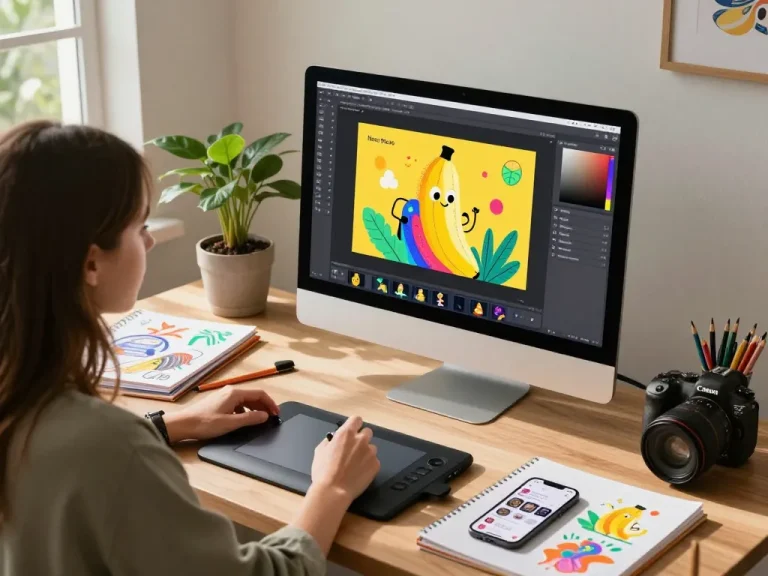
Graphic designers are utilizing Image to Prompt AI to streamline their workflow, quickly generating prompts that translate visual ideas into clear instructions. This process can inspire new concepts or refine existing designs, making it a valuable tool in the creative arsenal.
Applications in Marketing and Content Creation
In marketing, the ability to convert images into descriptive text can enhance ad copy, social media posts, and product descriptions. By using AI-generated prompts, content creators can ensure their messaging is aligned with the visual content they are promoting, thus improving engagement and conversion rates.
Case Studies: Success Stories from Various Industries
Several industries have reported significant improvements in their processes and outputs thanks to Image to Prompt AI. For instance, an e-commerce platform integrated an AI prompt generator that helped produce product descriptions from images, resulting in a 30% increase in conversion rates. Similarly, design agencies have found that the speed of generating prompts has allowed for more iterative design cycles and ultimately higher-quality outputs.
What are the advantages of using an AI image prompt generator?
The primary advantages include efficiency, improved accuracy, and the ability to quickly scale content creation. By automating the prompt generation process, users can devote more time to the creative aspects of their work, maximizing productivity.
Can I use AI to generate prompts without an account?
Many AI image prompt generators offer free access without requiring account creation, although features may be limited for unregistered users. It’s always advisable to check the specific terms of use for each platform.
How accurate are AI-generated prompts compared to human-created prompts?
While AI offers impressive accuracy for straightforward images, human intuition and understanding of context often surpass AI capabilities, particularly for complex or emotionally nuanced images. Therefore, it is often beneficial to use AI-generated prompts as a starting point and refine them with a human touch.
Are there limitations on the types of images I can use with these tools?
Yes, some AI tools may have limitations regarding image types, such as file format or content restrictions related to copyright. Always refer to the tool’s guidelines to ensure compatibility.
What should I look for when choosing an AI image to prompt tool?
Consider key factors such as user experience, customization options, integration with existing tools, the speed of analysis, and the quality of generated prompts. User reviews and demos can also provide insight into a tool’s effectiveness.
About the Author