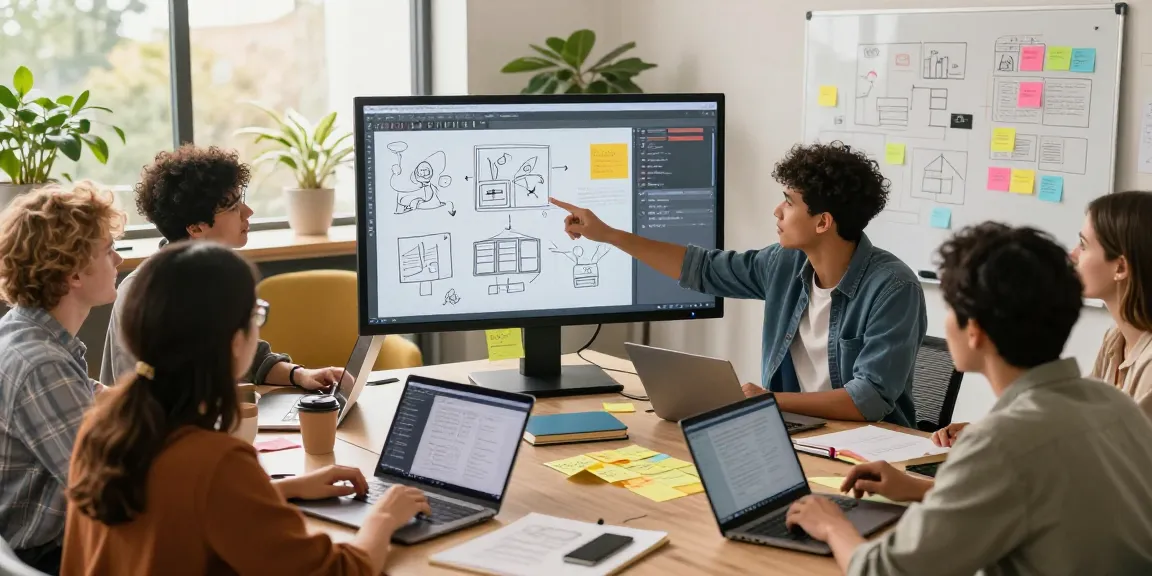
Understanding the Mixboard: A Game-Changer for Creativity
In the rapidly evolving landscape of creative collaboration, the need for effective tools that enhance brainstorming and ideation is paramount. Enter the mixboard—a versatile digital canvas that empowers teams to explore and refine ideas in real-time. Designed to cater to various industries, mixboards are proving to be invaluable in fostering creativity and collaboration. Whether you’re a designer, marketer, educator, or researcher, integrating a mixboard into your workflow can significantly streamline processes and nurture innovative thinking. When exploring options, mixboard offers comprehensive insights into how AI can enhance your creative endeavors.
What is a Mixboard and How Does It Work?
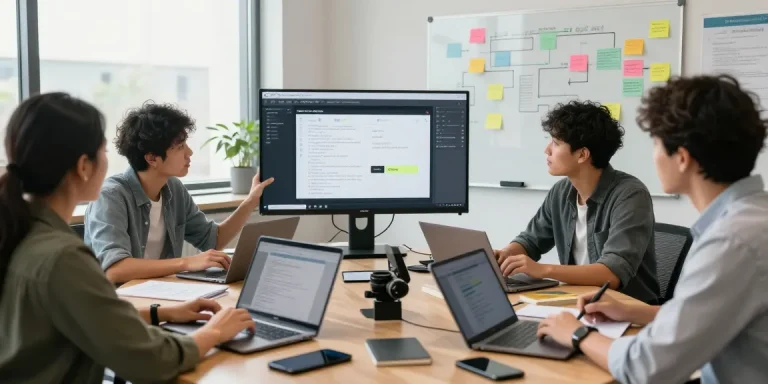
A mixboard is an interactive platform that allows users to visualize, organize, and iterate on ideas seamlessly. It employs a canvas-like interface where individuals or teams can add text, images, sketches, and other media to represent thoughts or concepts. The real magic of a mixboard lies in its ability to enable collaboration; users can work together, regardless of their geographical location, contributing to a shared visual workspace that enhances creativity.
At its core, a mixboard operates on the principles of generative AI, allowing users to quickly generate visuals and organize thoughts. Users can drag and drop elements, create connections between ideas, and explore various pathways without the pressure to finalize concepts prematurely. This flexibility facilitates a more organic creative process, where ideas can evolve naturally over time.
Key Features and Functionalities of a Modern Mixboard
- Real-time Collaboration: Teams can simultaneously work on projects, making it easy to gather input and revise ideas on the fly.
- Infinite Canvas: Unlike traditional tools, mixboards offer an expansive workspace where users can spread out ideas without constraint.
- AI Integration: Advanced algorithms assist in generating ideas, suggesting visual representations, and refining concepts based on user input.
- Cross-Platform Accessibility: Mixboards can be accessed on desktops, tablets, and mobile devices, ensuring that teams can work together anytime and anywhere.
- Template Options: Many modern mixboards come equipped with templates tailored for specific industries like marketing, design, and education, speeding up the initial creative process.
Benefits of Using a Mixboard for Creative Teams
The integration of a mixboard into a team’s workflow can lead to numerous benefits, including:
- Enhanced Creativity: The visual nature of a mixboard helps individuals think outside the box, promoting innovation and brainstorming.
- Improved Communication: With everything displayed on a single canvas, teams can discuss concepts more effectively, reducing misunderstandings.
- Streamlined Processes: By facilitating quick iterations and feedback loops, mixboards significantly reduce the time spent on project development.
- Increased Engagement: Interactive tools maintain team member interest and foster an inclusive environment where everyone’s ideas can be shared and evaluated.
Effective Strategies for Utilizing Mixboard in Workflows
Maximizing the potential of a mixboard requires thoughtful integration into existing workflows. Below are strategies that can enhance the effectiveness of using a mixboard.
Integrating Mixboard into Your Creative Process
To effectively incorporate a mixboard into your creative process, consider the following steps:
- Define Objectives: Before starting, establish clear goals for what you want to achieve with the mixboard during brainstorming sessions.
- Familiarize the Team: Ensure that all team members understand how to use the mixboard’s features effectively. Provide training sessions if necessary.
- Create Templates: Utilize predefined templates based on prior projects to streamline the process and give team members a starting point.
- Set Regular Check-ins: Schedule regular intervals for team members to review progress and suggest new additions or modifications to the mixboard.
Best Practices for Collaborative Brainstorming on Mixboard
Brainstorming effectively on a mixboard requires a strategic approach to ensure that all voices are heard and ideas are fleshed out. Here are some best practices:
- Encourage Open Dialogue: Foster an environment where all contributions are valued, encouraging quieter team members to share their insights.
- Use Visual Aids: Leverage the mixboard’s capability to include images, diagrams, and videos to support verbal ideas visually.
- Limit Distractions: Use the mixboard in a focused manner; encourage participants to avoid distractions from their devices during sessions.
- Incorporate Feedback: After brainstorming sessions, review the content on the mixboard together, allowing team members to provide constructive feedback.
Tips for Maximizing Efficiency and Engagement
To ensure that your mixboard sessions are productive, consider these efficiency-boosting tips:
- Set Time Limits: Allocate specific time frames for different stages of brainstorming to keep the session focused and on track.
- Prioritize Ideas: Use voting features to determine which ideas resonate most with team members and merit further exploration.
- Document Everything: Save versions of the mixboard at key milestones to track changes and maintain a history of the creative process.
Real-World Applications of Mixboard Across Industries
The versatility of mixboards allows them to be adapted for various industries, showcasing their value across different sectors. Here’s a look at how different fields have effectively utilized this innovative tool.
Design and Marketing Teams: Boosting Creativity with Mixboard
In the design and marketing sectors, mixboards serve as powerful tools for concept development and campaign planning. Teams can visually map out marketing strategies, align messaging with visual aesthetics, and build engaging presentations that resonate with audiences. By allowing team members to showcase their design ideas dynamically, mixboards foster a culture of creative collaboration that leads to impactful campaigns.
Educational Uses: Engaging Students with Interactive Tools
In educational settings, mixboards can significantly enhance student engagement by allowing them to collaborate on projects, share knowledge, and present information in a visually appealing format. Teachers can use mixboards to facilitate discussions, encouraging students to contribute their thoughts and interact with materials in an immersive way, thus nurturing deeper learning experiences.
Research and Development: Visualizing Concepts Seamlessly
In research and development, mixboards facilitate the visualization of complex ideas, enabling teams to collaboratively explore hypotheses and project outcomes. By structuring data and insights visually, teams can better understand relationships between variables, thereby driving innovative solutions and advancing projects more effectively.
Overcoming Challenges with Mixboard in Team Collaboration
Despite the many benefits, teams may encounter challenges when implementing a mixboard in their workflows. Here are some common obstacles and how to address them.
Common Misconceptions About Mixboard Tools
One significant challenge is overcoming misconceptions about digital collaboration tools. Many individuals may feel intimidated by technology or believe such tools are only useful for tech-savvy individuals. It’s essential to highlight that mixboards are designed for all levels of users and can significantly enhance collaboration when used correctly.
Addressing Barriers to Effective Collaboration
To ensure successful collaboration, teams must address potential barriers, such as differing time zones or availability. Implementing clear communication standards and having designated facilitators can help manage these challenges and promote consistent participation.
Strategies for Ensuring Inclusive Participation
Inclusivity is vital to the success of collaborative efforts. Encourage all team members to participate by providing various ways to contribute, whether through live brainstorming sessions or offline comments on the mixboard. Regularly rotating the facilitator role during sessions can also empower different team members to take the lead, enhancing inclusivity.
The Future of Mixboard: Trends to Watch in 2026
As technology continues to evolve, so too will the capabilities of mixboards. Here are some future trends to keep an eye on for the year 2026 and beyond.
How Generative AI Will Influence Mixboard Functionality
Generative AI is set to transform the mixboard landscape by enhancing creative possibilities. Future updates may include advanced AI features that not only suggest ideas but also generate initial visual drafts based on user input, allowing teams to begin projects with a solid foundation and more creativity.
Emerging Collaborative Tools and Their Impact
As new collaborative tools emerge, the integration of features from various platforms could provide an even richer experience. Enhanced video conferencing capabilities or integrated communication tools might become standard features in mixboards, making remote collaboration even more seamless.
Preparing for the Evolution of Digital Creativity Spaces
The evolution of digital creativity spaces will likely focus on enhancing user experience through improved interfaces, greater customization options, and an increased emphasis on security and privacy. These advancements will make mixboards even more appealing for organizations looking to boost their collaborative efforts securely.
What are the benefits of using a mixboard for team collaboration?
The benefits include enhanced creativity, improved communication, streamlined processes, and increased engagement among team members.
How can mixboard streamline creative workflows?
By providing a real-time collaborative platform, mixboards allow teams to quickly iterate on concepts, gather feedback, and visualize their ideas, thus speeding up the creative process.
What industries benefit the most from using a mixboard?
Industries such as design, marketing, education, and research see significant benefits from using mixboards due to their need for collaboration and ideation.
Are there any challenges in implementing a mixboard?
Yes, challenges include overcoming misconceptions about technology, addressing barriers to collaboration, and ensuring inclusivity among team members.
What are the future trends in digital collaboration tools?
Future trends include the integration of generative AI features, new collaborative tools, and enhanced user experiences designed to improve security and customization in digital creativity spaces.
About the Author