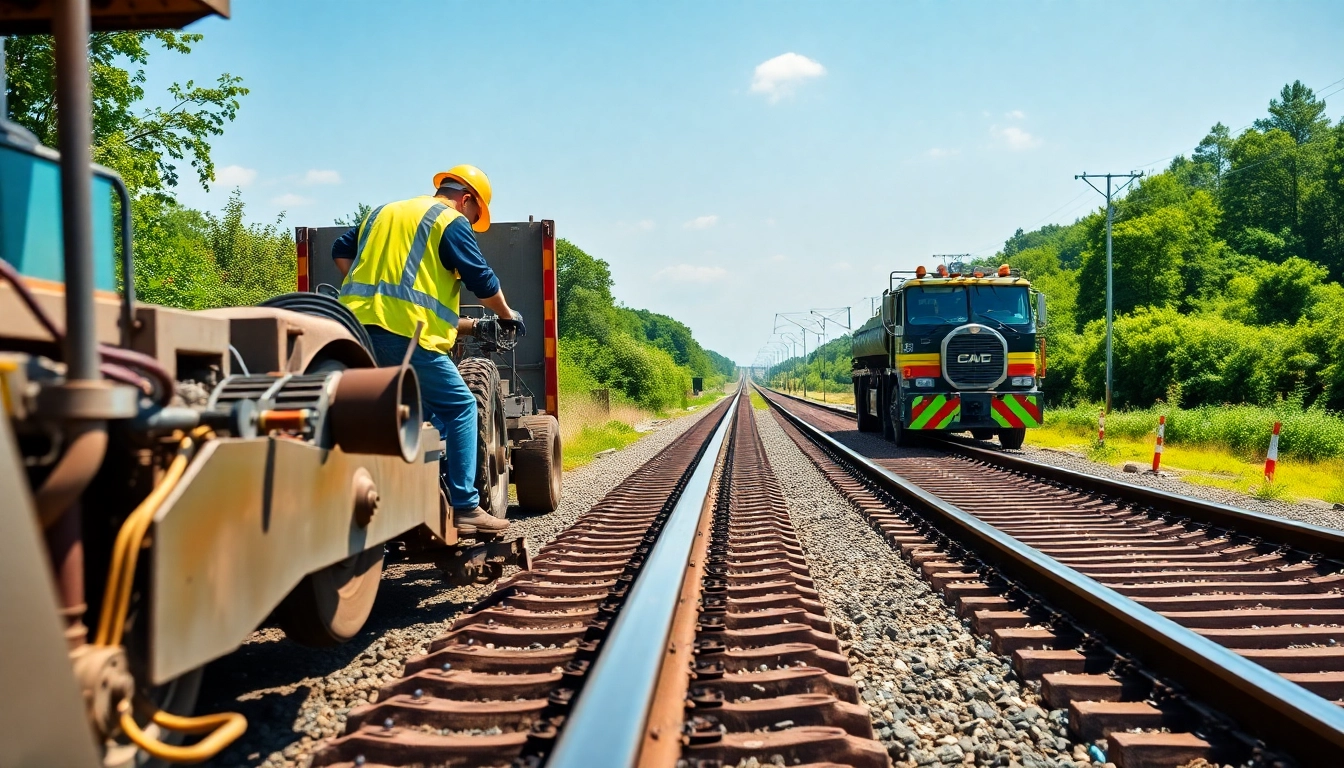
Understanding Railroad Maintenance Services
Railroads are vital arteries of commerce and transportation, carrying goods and people across vast distances. To ensure their smooth operation, Railroad Maintenance Services are indispensable. These services encompass a range of activities aimed at keeping rail tracks, structures, and systems in optimal condition, enabling safe and efficient transport.
What Are Railroad Maintenance Services?
Railroad maintenance services refer to the regular activities undertaken to maintain and repair railway tracks and infrastructure. This includes inspections, repairs, upgrades, and rehabilitation of tracks, signaling systems, and ancillary facilities. The goal is to preserve the safety, reliability, and longevity of railway operations. Services may vary in scope from routine inspections to extensive renovations and modernizations of systems.
Importance of Regular Maintenance
Regular maintenance is crucial in preventing accidents and ensuring safety. Unattended damage or wear can lead to catastrophic failures, posing risks to both personnel and cargo. Additionally, maintenance initiatives reduce downtime and prolong the life of railway infrastructure, ultimately leading to cost savings and increased efficiency in operations.
Common Maintenance Practices
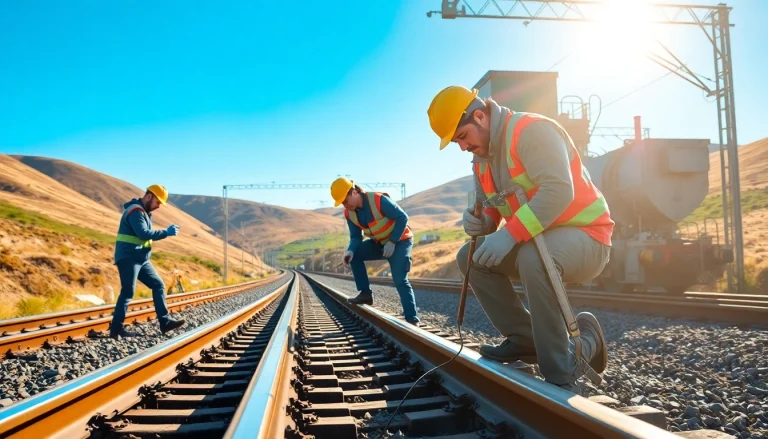
Common practices in railroad maintenance services include track inspections, repairs or replacement of worn or damaged rails, maintenance of ties, ballast cleaning, and ensuring effective drainage systems. These tasks are performed by trained personnel using specialized equipment, adhering to safety regulations and standards to minimize risk and extend operational lifespan.
Types of Railroad Maintenance
Track Rehabilitation Techniques
Track rehabilitation encompasses a variety of techniques designed to restore or enhance the functionality of existing track systems. This may include the replacement of broken rails, repair of switch mechanisms, and installation of new ties or ballast. Rehabilitation is often necessary when tracks show signs of distress, such as excessive wear, misalignments, or environmental degradation.
Routine Inspections and Their Benefits
Routine inspections are a vital component of railroad maintenance services. They typically involve checking track integrity, evaluating the condition of signals, and assessing overall safety. Benefits of regular inspections include early detection of issues, which can prevent costly repairs and service interruptions. Digital tools and analytics are increasingly used to enhance the efficiency and accuracy of these inspections.
Emergency Repair Services
In the event of sudden failures or accidents, quick response through emergency repair services is essential. This may involve immediate repairs of damaged track sections, restoration of signaling systems, or deployment of response teams to mitigate accidents and restore service as swiftly as possible. Preparedness and rapid action can minimize disruptions and enhance safety.
Best Practices in Railroad Maintenance Services
Choosing Qualified Personnel
The efficacy of maintenance operations often hinges on the skill and expertise of personnel. Selecting qualified workers with the right training and experience is essential. Investing in ongoing training and certification ensures that maintenance staff remain updated on best practices, safety protocols, and technological advancements in the field.
Utilizing Advanced Technology
Incorporating advanced technologies into railroad maintenance services can significantly enhance both the accuracy and efficiency of operations. Use of drones for aerial inspections, automated track monitoring systems, and data analytics can streamline processes and facilitate quicker decision-making. These technologies reduce human error and allow for real-time monitoring of critical systems.
Implementing Effective Safety Measures
Safety measures must be a cornerstone of all maintenance activities. This includes adherence to OSHA standards, conducting regular safety drills, and enforcing use of personal protective equipment (PPE). Moreover, developing a safety culture within the organization encourages proactive reporting of potential hazards and reinforces the importance of safety in all operations.
Challenges in Railroad Maintenance Services
Environmental Factors
Environmental challenges such as extreme weather conditions, natural disasters, and climate-related impacts can severely affect railroad operations and maintenance. For instance, heavy rains can lead to flooding and erosion, compromising track integrity. Maintenance services must adapt to these challenges by employing resilient design strategies and materials.
Bureaucratic Regulations
Bureaucratic regulations can pose significant hurdles in railroad maintenance services. These regulations are designed to ensure safety and compliance but can sometimes hamper efficiency. Organizations must navigate these regulations smartly, ensuring that maintenance strategies align with legal requirements while optimizing operations efficiently.
Resource Allocation
Effective allocation of resources is another challenge. Maintenance services require a careful balance between budget constraints and the need for timely and effective repairs. Organizations must prioritize maintenance tasks based on urgency and potential impact, often employing data analysis to better allocate resources where they are most needed.
Future Trends in Railroad Maintenance Services
Innovations in Maintenance Equipment
The future of railroad maintenance services will likely be shaped by innovations in equipment and machinery. Investments in advanced track maintenance machines, automated systems for routine checks, and mobile repair units are emerging trends. These innovations aim to enhance efficiency, reduce labor costs, and improve service response times.
Adapting to Sustainability Practices
As industries evolve to become more sustainable, railroad maintenance services are also adapting. This includes implementing eco-friendly materials, improving energy efficiency in operations, and reducing waste. Sustainability initiatives not only benefit the environment but can also lead to cost savings in the long run.
The Role of Automation and AI
The integration of automation and artificial intelligence (AI) into railroad maintenance is poised to revolutionize the field. AI can enhance predictive maintenance by analyzing vast amounts of data to foresee issues before they occur, enabling proactive measures. Automation can accelerate routine tasks, improving efficiency and safety while allowing skilled personnel to focus on critical operations.
FAQs About Railroad Maintenance Services
1. What services are included in railroad maintenance?
Railroad maintenance includes track inspections, repairs, rehabilitation, ballast cleaning, drainage management, and signaling system maintenance.
2. How often should maintenance be performed?
Routine inspections should occur periodically, often quarterly or biannually, depending on track conditions and usage. Emergency repairs are conducted as needed.
3. What factors impact railroad maintenance costs?
Maintenance costs can vary based on track age, usage intensity, environmental conditions, and required repair types.
4. Who is responsible for maintaining railroad tracks?
Most U.S. freight railroads are privately owned and are responsible for funding their track maintenance through their operations.
5. How does technology enhance railroad maintenance?
Technology improves accuracy through advanced inspections, data analytics for predictive maintenance, and automated systems that reduce human error.
Contact Information
Call Us: 1 (403) 452-4508
Email: [email protected]
Address: 3950 Fossil Creek Blvd Suite 106, Fort Worth, TX, USA 76137
About the Author