Understanding Railway Maintenance
What is Railway Maintenance?
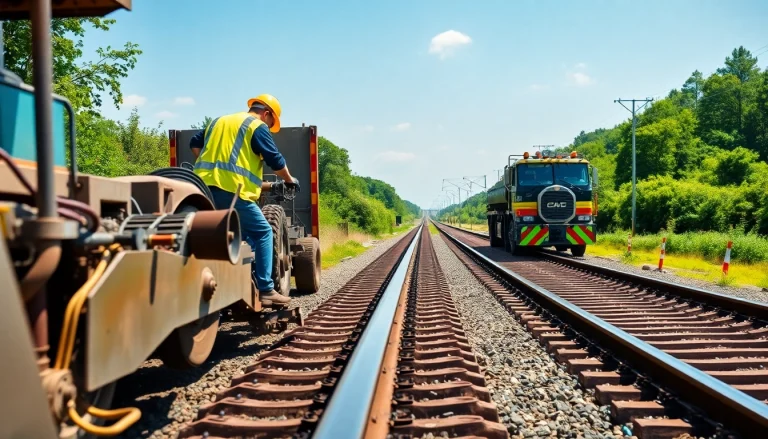
Railway maintenance is a critical aspect of ensuring the safety, reliability, and efficiency of rail transport. It encompasses a range of activities aimed at maintaining and improving rail infrastructure—including tracks, signals, bridges, and stations—so that trains can operate smoothly. Proper railway maintenance is essential for minimizing downtime, reducing accidents, and extending the lifespan of rail assets.
Importance of Railway Maintenance
Effective railway maintenance is vital for several reasons. First, it enhances safety for both passengers and freight. Regular inspections and repairs can prevent accidents that result from infrastructure failures. Second, it improves operational efficiency by ensuring that trains run on time, thereby enhancing customer satisfaction. Moreover, well-maintained railway systems can reduce costs over time by prolonging the lifespan of equipment and infrastructure and minimizing emergency repairs.
Key Regulations and Standards
Railway maintenance practices are governed by various regulations and standards that ensure safety and reliability. In many countries, regulatory bodies establish guidelines governing the maintenance of tracks, signaling systems, and rolling stock. These regulations often include inspection frequency, quality of materials used in repairs, and the necessary qualifications for maintenance personnel. Compliance with these standards is not merely a legal obligation; it is a vital component of a successful railway operation.
Main Types of Railway Maintenance
Preventive and Predictive Maintenance
Preventive maintenance involves scheduled inspections and routine tasks performed to prevent equipment failures before they occur. This may include regular track inspections, replacing worn-out parts, and maintenance of signaling systems. Predictive maintenance, on the other hand, relies on data analytics and condition monitoring technologies to assess the health of railway assets. This approach allows for informed decisions about when maintenance should occur, optimizing resource allocation and minimizing service disruption.
Corrective Maintenance
Corrective maintenance is reactive and occurs after an asset fails or malfunctions. While this type of maintenance is sometimes unavoidable, it can be costly in terms of time and resources. Delays caused by corrective maintenance can lead to operational inefficiencies and safety concerns. Consequently, organizations strive to minimize the reliance on this approach through robust preventive measures and monitoring systems.
Routine and Emergency Maintenance
Routine maintenance refers to the regular upkeep activities designed to maintain equipment in safe operating condition. This may include daily inspections or scheduled track repairs. Emergency maintenance is necessary when unexpected failures occur that require immediate attention to restore serviceability. Proper planning and asset management can minimize the frequency and impact of emergency maintenance.
Common Challenges in Railway Maintenance
Infrastructure Deterioration
Infrastructure deterioration is a significant issue in railway maintenance. Environmental factors, heavy usage, and aging assets can lead to wear and tear, which necessitates regular maintenance and upgrades. Failure to address these issues can result in severe accidents and costly repairs. Investing in modern materials and technologies can help mitigate these risks by extending the lifespan of railway infrastructure.
Supply Chain Issues
Supply chain issues can impede railway maintenance operations. Delays in the procurement of essential materials or components can halt ongoing maintenance work, leading to increased downtime. A well-coordinated supply chain, incorporating multiple suppliers and lean management practices, is crucial to ensure that maintenance crews have the necessary resources on hand when needed.
Labor Shortages
A shortage of skilled labor poses a challenge for the railway maintenance industry. Trained personnel are essential for performing both routine and specialized maintenance tasks. Companies need to develop training programs, foster career development, and create attractive work environments to attract and retain talent in this critical sector.
Best Practices for Railway Maintenance
Implementing a Maintenance Schedule
Developing a comprehensive maintenance schedule is key to effective railway maintenance. This schedule should outline timelines for inspections, repair tasks, and preventive measures. Utilizing a computerized maintenance management system (CMMS) can aid in tracking maintenance activities and ensure compliance with regulatory standards. Regular reviews of the schedule can help identify areas for improvement and adjustment based on operational needs.
Utilizing Technology for Monitoring
Incorporating advanced technologies, such as sensors and analytics, can enhance monitoring capabilities and predictive maintenance efforts. Real-time data collection can provide insights into the health of assets, allowing for timely interventions. Technologies such as drones can also be employed for visual inspections, significantly reducing labor costs and increasing efficiency.
Training and Safety Protocols
Effective training programs are essential for ensuring that maintenance staff understand best practices and safety protocols. Investing in continuous education and certification can improve workforce competence and compliance with safety standards. Robust safety protocols also play a critical role in protecting workers and minimizing accidents during maintenance operations.
Future Trends in Railway Maintenance
Emerging Technologies
The railway maintenance sector is poised to benefit significantly from emerging technologies. Innovations such as artificial intelligence and machine learning can enhance predictive maintenance efforts, leading to smarter infrastructure management. Furthermore, advancements in automation will streamline maintenance processes, reducing the need for manual labor and increasing efficiency.
Environmental Considerations
As sustainability becomes an increasingly pressing concern, railway maintenance practices will need to incorporate environmentally friendly materials and processes. Utilizing recycled materials, improving energy efficiency, and reducing waste during maintenance operations are key factors that can contribute to long-term sustainability in railway maintenance.
Risk-Based Maintenance Approaches
Adopting a risk-based approach to maintenance allows railway operators to prioritize resources toward the most critical assets and issues that could lead to significant failures. By systematically evaluating asset risks and vulnerabilities, organizations can develop targeted maintenance strategies that balance safety, performance, and cost-effectiveness, ultimately leading to a more resilient railway system.
Frequently Asked Questions
What is the purpose of railway maintenance?
The purpose of railway maintenance is to ensure the safety, reliability, and efficiency of rail transport, involving regular inspections, repairs, and upgrades of railway infrastructure.
How often should railway tracks be maintained?
Maintenance schedules vary depending on usage and regulations, but tracks are generally inspected and maintained regularly to prevent deterioration and ensure safety.
What are the main types of railway maintenance?
The main types of railway maintenance include preventive, corrective, routine, and emergency maintenance, each serving a unique purpose in asset management.
Why is technology important in railway maintenance?
Technology enhances monitoring, improves efficiency, and fosters predictive maintenance approaches, reducing downtime and optimizing resource utilization in railway maintenance.
What challenges do railway maintenance teams face?
Common challenges include infrastructure deterioration, supply chain issues, and labor shortages, all of which can hinder maintenance efforts and operational efficiency.
Contact Information
Call Us: +1 780-400-4104
Email: [email protected]
Address: 3403 74 AVE NW , T6B 3B8
About the Author