Understanding Track Inpection
What is Track Inpection?
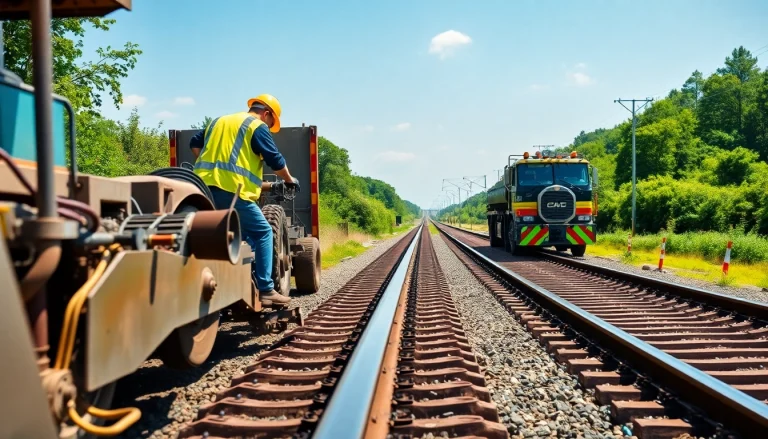
Track Inpection is a critical process designed to examine the integrity and safety of railway tracks. This practice encompasses a series of methods aimed at detecting flaws and ensuring that the tracks meet safety standards for operational efficiency. During track inspections, trained professionals evaluate track geometry, structural components, and subsurface conditions using various techniques, including visual inspections and advanced technological tools. Regular track inspections are essential to prevent accidents and maintain the health of the rail network.
Importance of Regular Track Inpection
Railway systems are a vital mode of transportation, linking cities and supporting economies. However, the maintenance of these systems is paramount to ensure safety and reliability. Regular Track Inpection helps identify issues before they cause catastrophic failures, such as derailing or infrastructure collapse. Early detection of track defects allows for timely repairs, thereby minimizing operational disruptions and ensuring passenger safety. Moreover, frequent inspections are mandated by regulatory bodies, reinforcing the necessity for rigorous tracking practices.
Common Types of Track Inpection
Several types of track inspections serve specific purposes. They include:
- Visual Inspections: Conducted by trained inspectors who look for obvious signs of wear and damage.
- Geometry Inspections: Focus on assessing the alignment and leveling of the tracks to ensure smooth train operations.
- Ultrasonic Testing: Utilizes high-frequency sound waves to detect internal flaws within the rail material.
- Ground Penetrating Radar: Employs radar pulses to image the subsurface of the tracks to reveal conditions not visible to the naked eye.
- Thermal Inspections: Uses infrared cameras to identify overheated components that may lead to failures.
Track Inpection Techniques and Technologies
Manual Inspection Methods
Manual inspection methods remain a cornerstone of traditional track inspection practices. These methods involve visual assessments and the use of handheld tools to measure track parameters such as gauge, alignment, and surface irregularities. Inspectors often walk alongside the tracks, inspecting every aspect of the infrastructure while documenting their findings. Although manual inspections are labor-intensive, they provide valuable insights and allow inspectors to observe contextual conditions that technology may overlook.
Automated Inspection Technologies
With technological advancements, automated inspection technologies have become increasingly prevalent. These systems utilize drones, robotics, and mobile scanning vehicles equipped with cameras and sensors to conduct comprehensive track assessments rapidly. Automated inspections can cover vast distances in a fraction of the time required for manual methods, and the collected data can be instantly analyzed to identify defects. These technologies enhance efficiency, reduce human error, and improve data accuracy.
Innovative Tools for Effective Track Inpection
A variety of innovative tools have emerged to enhance the effectiveness of track inspections, including:
- Track Geometry Cars: Specialized railcars equipped with instruments to collect data on the track’s geometric parameters.
- Laser Scanners: Devices that provide detailed 3D maps of track conditions, permitting precise measurements and analyses.
- Rail Flaw Detectors: Advanced systems that use electromagnetic induction to detect cracks or flaws within the rail structure.
- Data Analytics Platforms: Software that aggregates inspection data to offer predictive maintenance insights and prioritize repairs.
Implementing a Track Inpection Program
Establishing Inspection Protocols
The cornerstone of an effective Track Inpection program lies in establishing comprehensive protocols. This involves defining inspection frequencies based on railway traffic, geographic considerations, and the materials used in track construction. Organizations should outline specific criteria for inspection types—such as visual, automated, or specialized inspections—and ensure inspectors are equipped with the necessary tools and knowledge to carry them out effectively.
Training Inspectors for Success
To guarantee the effectiveness of any Track Inpection program, investing in training and development for inspectors is essential. Inspectors should undergo rigorous training that combines theoretical and practical knowledge of inspection techniques, defect identification, and the use of technologically advanced tools. Continuous education through workshops and certifications can ensure inspectors remain informed about the latest best practices and technologies in the industry.
Scheduling and Frequency of Inspections
Determining the schedule and frequency of inspections is critical for maximizing safety and efficiency. Railways must assess factors such as track age, traffic volume, and environmental conditions to create a tailored inspection schedule. Typically, high-traffic routes may require daily inspections, while less busy lines may be inspected weekly or monthly. Incorporating data and analysis from previous inspections can refine this scheduling, ensuring resources are allocated effectively.
Challenges in Track Inpection
Weather-Related Impacts on Inspections
Weather conditions can significantly hinder track inspections. Heavy rain, snow, and extreme temperatures can obstruct visibility and disrupt the integrity of the track, making it difficult for inspectors to accurately assess track conditions. In such cases, utilizing advanced technologies can help overcome some of these challenges, as automated systems can operate under various weather conditions, capturing data that manual methods might miss.
Addressing Human Error in Track Inpection
Human error remains a persistent issue in manual inspection methods, potentially leading to misdiagnosis of track conditions. To mitigate this risk, organizations should integrate technology into their inspection processes, utilizing automated systems that minimize reliance on human observation. Additionally, regular training sessions can keep inspectors updated on practices, encouraging a culture of continuous improvement and vigilance.
Regulatory Challenges in Track Inpection
Complying with governmental regulations surrounding track safety can complicate inspection protocols. Organizations must remain informed about changes in regulations and standards set by governing bodies. Establishing a compliance strategy that includes regular audits and reviews of inspection practices can help ensure adherence to these regulations while protecting both the organization and the public.
Measuring Effectiveness of Track Inpection
Performance Metrics to Monitor
To gauge the effectiveness of a Track Inpection program, organizations should establish clear performance metrics. Key performance indicators (KPIs) might include the number of defects identified per inspection, repair response times, and reduction in accidents attributed to track failures. These metrics provide actionable insights and enhance future inspection efforts by highlighting areas needing improvement.
Feedback Loops for Continuous Improvement
Incorporating feedback loops into the inspection process is vital for fostering ongoing improvement. Regularly soliciting feedback from inspectors regarding the inspection procedures, tools, and training can reveal inefficiencies and areas for development. Encouraging open communication and feedback can create a culture of transparency, ultimately enhancing the overall efficacy of the inspection program.
Case Studies: Successful Track Inpection Programs
Analyzing successful Track Inpection programs can provide valuable insights for organizations looking to enhance their processes. One notable case involved the implementation of a comprehensive automated inspection system, significantly reducing inspection times while increasing the accuracy of defect detection. Another effective approach included cross-training inspectors in both visual and automated methods, resulting in enhanced flexibility and a more robust understanding of track conditions. These examples underline the necessity for innovation and adaptation in maintaining track safety.
Frequently Asked Questions
What is the purpose of Track Inpection?
The purpose of Track Inpection is to ensure railway safety by identifying defects and maintaining the integrity of railway tracks, preventing accidents and enhancing operational efficiency.
How often should track inspections occur?
The frequency of track inspections depends on factors such as traffic volume and environmental conditions, with some tracks requiring daily checks and others weekly or monthly inspections.
What technologies can be used for automated inspections?
Automated inspections can utilize drones, laser scanners, ultrasonic testing equipment, and specialized track geometry cars to efficiently gather data on track conditions.
How can organizations reduce human error in inspections?
Organizations can reduce human error by integrating automated technologies into the inspection process and providing ongoing training to inspectors to stay updated with best practices.
What are key performance indicators for Track Inpection?
Key performance indicators for Track Inpection include the number of defects detected, repair response times, and the incidence of track-related accidents, helping measure the effectiveness of inspection programs.
Contact Information
Call Us: (855) 920-8722
Email: [email protected]
Address: 350 Fossil Creek Boulevard, Suite 106, Fort Worth, TX, United States, Texas
About the Author