Understanding Track Inpection
What Is Track Inpection?
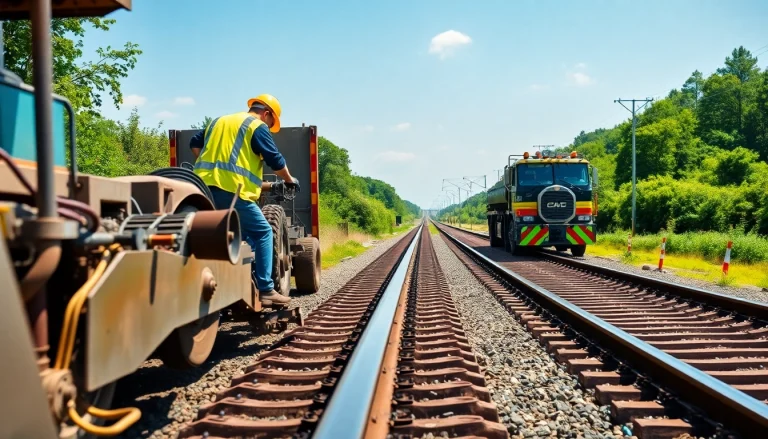
Track Inpection refers to the systematic examination of railway tracks to ensure safety, reliability, and compliance with regulatory standards. This process involves assessing the physical condition of the tracks, including rail integrity, spacing, alignment, and the overall structural health of track components. Regular inspections are critical to identifying potential hazards and maintaining a safe railway environment. You can learn more about these practices on Track Inpection.
The Importance of Track Inpection
The implications of neglecting track inspection can be dire. Track defects are a leading cause of railway accidents, contributing to derailments and service disruptions. Regular inspections mitigate risks by identifying issues before they escalate into serious problems. Moreover, they ensure compliance with Federal Railroad Administration (FRA) regulations, maintaining the integrity and operational efficiency of rail systems. By investing in thorough inspection protocols, railway operators can enhance safety, promote trust among users, and improve overall service reliability.
Common Track Defects
Track defects can manifest in various forms. Understanding the most prevalent types is essential for effective inspections:
- Rail Head Wear: Over time, the rail head can experience wear patterns due to wheel contact, leading to reduced load-bearing capacity.
- Cracks: Fatigue cracks or fissures can develop, compromising the structural integrity of the rail.
- Alignment Issues: Misalignments can result from temperature fluctuations or ground movement, impacting train safety and performance.
- Fastener Failures: Loose or broken fasteners can lead to track instability, increasing the risk of derailments.
- Ballast Settlement: Compacted or insufficient ballast can cause track geometry problems, leading to uneven surfaces.
Techniques and Technologies in Track Inpection
Manual vs. Automated Track Inpection
Traditionally, track inspection has relied on manual methods where inspectors physically examine the tracks. While this method allows for a keen human assessment, it can be time-consuming and susceptible to human error.
In contrast, automated track inspection systems employ cutting-edge technologies such as lasers, cameras, and sensors that quickly gather detailed data on track conditions. These systems offer enhanced accuracy and efficiency, allowing for more frequent and comprehensive inspections.
Innovative Tools for Track Inpection
Modern tools have revolutionized the inspection process. Some key innovations include:
- Ground Penetrating Radar (GPR): This technology analyzes subsurface conditions, helping detect issues that are not visible on the surface.
- Ultrasonic Testing: A non-destructive method to assess rail integrity, identifying internal flaws that might cause failures.
- Track Geometry Cars: These specialized vehicles collect data on track alignment, cross-level, and gauge as they travel along the rail lines.
- Thermal Imaging: This technology can reveal heat patterns that indicate potential mechanical problems in track components.
Data Analytics in Track Inpection
The integration of data analytics into track inspections is transforming the industry. By collecting and analyzing data from inspections, railway operators can create predictive models that forecast maintenance needs, prioritize repairs, and enhance resource allocation. This proactive approach not only minimizes downtime but also informs long-term maintenance strategies, facilitating a more resilient rail network.
Implementing Track Inpection Protocols
Setting Up a Track Inpection Team
A successful track inspection regime begins with assembling a competent team. Professionals in this field typically have backgrounds in engineering, maintenance, or other relevant disciplines. Team members should undergo training on technologies, safety procedures, and regulatory standards to ensure comprehensive operational readiness.
Essential Training for Track Inspectors
Training programs for track inspectors should encompass both theoretical knowledge and practical skills. Courses may cover topics like identifying track defects, understanding the mechanics of rail systems, and utilizing modern inspection tools. Continuing education is vital to keep pace with evolving technologies and best practices in rail inspection.
Regulatory Compliance in Track Inpection
Compliance with federal regulations is non-negotiable for rail operators. The FRA sets forth specific guidelines and standards that must be adhered to for track safety. Regular audits and documentation can help ensure that all inspection protocols meet these legal requirements, thereby reducing liability and enhancing operational integrity.
Challenges in Track Inpection
Weather Impacts on Track Inpection
Adverse weather conditions can significantly hinder track inspection efforts. Extreme temperatures can impact rail temperatures and materials, while rain or snow can obscure visibility and create unsafe working conditions. Implementing weather-resilient strategies, such as scheduling inspections during favorable conditions and utilizing weather-resistant equipment, can mitigate these challenges.
Budget Constraints in Maintaining Track Safety
Financial limitations often present a significant barrier to comprehensive track inspection regimes. Prioritizing inspections based on risk assessments and potential impact can help allocate limited resources effectively. Additionally, investing in technology that reduces long-term operational costs can be a wise budgetary strategy.
Adapting to New Technologies
The rapid evolution of technology in rail inspection necessitates ongoing adaptation by railway operators. Resistance to change can lead to obsolescence. Therefore, fostering a culture of innovation and continuous improvement encourages teams to explore novel solutions and integrate new tools that enhance safety and efficiency.
Future Trends in Track Inpection
Role of Artificial Intelligence in Track Inpection
Artificial Intelligence (AI) is poised to revolutionize track inspection through advanced data analysis. AI can optimize maintenance schedules, anticipate track failures, and enhance decision-making processes by analyzing vast datasets beyond human capability. Such innovations can lead to significantly improved safety and operational efficiencies.
Potential for Autonomous Inspections
Emerging autonomous technologies present a unique opportunity for on-track inspection. Drones, autonomous vehicles, and robotic systems are increasingly being utilized to reduce human involvement in hazard-prone inspection tasks. These platforms enhance inspection frequency and accuracy, allowing for real-time data collection and analysis.
Predictive Maintenance and Track Inpection
Predictive maintenance is becoming integral to modern track inspection protocols. By analyzing historical data and real-time insights, railway operators can forecast when and where maintenance activities are needed, greatly reducing the incidence of unexpected failures. This foresight allows for more efficient resource allocation and scheduling, thereby extending the lifespan of railway assets.
Frequently Asked Questions
What is track inspection?
Track inspection is the systematic examination of railway tracks to identify flaws that could lead to accidents. It helps maintain safety and compliance with regulations.
What qualifications are needed to become a track inspector?
Typically, a high school diploma and relevant experience in the railroad industry are required. Training in engineering or a related field is beneficial.
How often should track inspections occur?
The frequency of track inspections can vary based on factors such as traffic volume, track condition, and regulatory requirements. Generally, regularly scheduled inspections are essential.
What technologies are used in track inspections?
Modern track inspections employ technologies such as Ground Penetrating Radar, ultrasonic testing, and track geometry cars to enhance accuracy and efficiency.
Are automated inspections more effective than manual inspections?
Automated inspections offer higher accuracy and efficiency, enabling more frequent monitoring of track conditions compared to traditional manual inspections.
Contact Information
Email: [email protected]
Call Us: (855) 920 – 8722
Address: 3950 Fossil Creek Boulevard, Suite 106 Fort Worth, TX 76137
About the Author