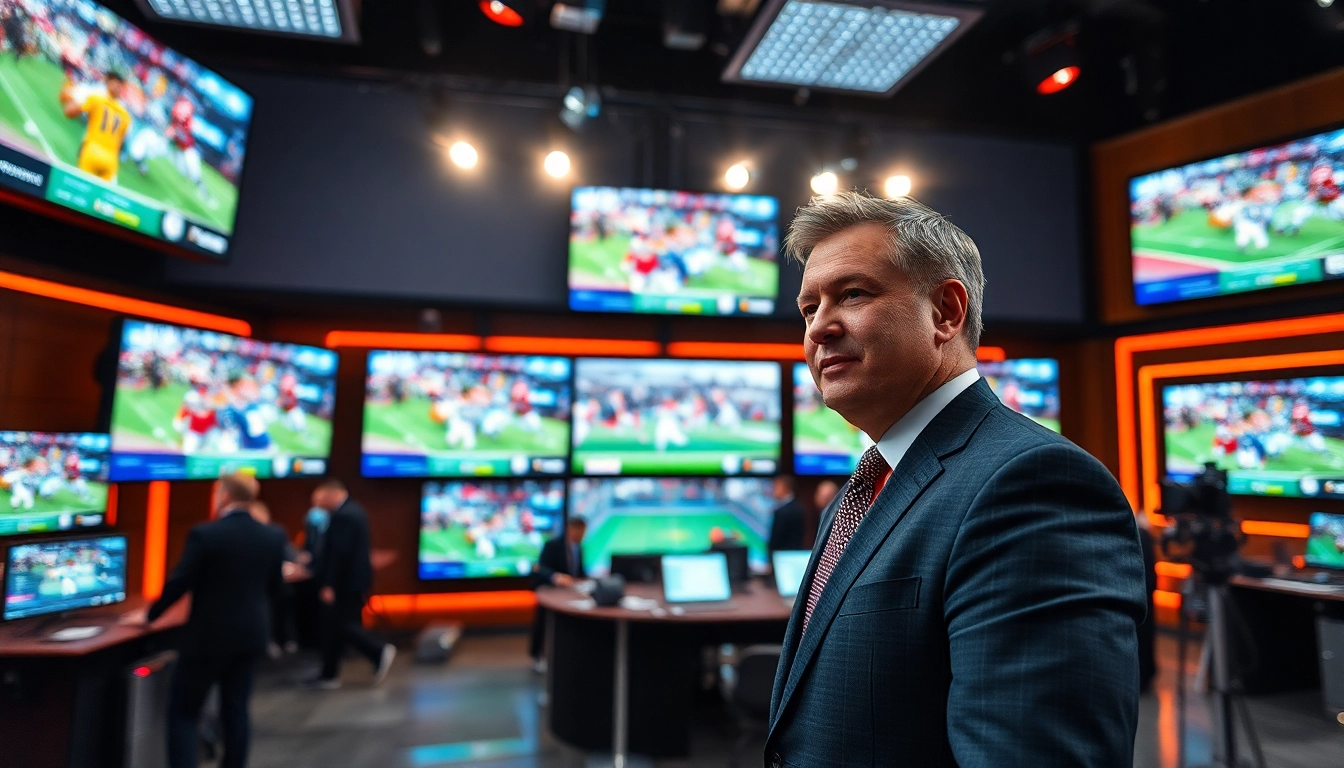
Understanding Sports Broadcasting
What is Sports Broadcasting?
Sports broadcasting refers to the dissemination of sports-related content via various media platforms, including television, radio, and online streaming services. It encompasses live coverage, commentary, analysis, and even the production of sports-related shows. The ultimate goal is to provide audiences with the most engaging viewing experience, whether they are at home or on the go. In today’s digital age, sports broadcasting has evolved significantly, enabling fans worldwide to access their favorite sports and teams at any time, augmented by interactive features and advanced technologies. Through quality content and effective presentation, sports broadcasting aims to cultivate a community of fans and generate excitement around sporting events. For comprehensive information on this ever-evolving space, check out Sports Broadcasting.
The Role of Technology in Sports Broadcasting
The impact of technology on sports broadcasting cannot be overstated. From the advent of high definition (HD) and ultra-high definition (UHD) broadcasting to the integration of augmented reality (AR) and virtual reality (VR), technology continues to enhance viewer experiences. It allows broadcasters to provide immersive, interactive content that engages fans at deeper levels. Innovations such as instant replay, slow-motion highlights, and aerial drone footage not only improve the quality of sports broadcasts but also deepen the viewer’s understanding of the game. Furthermore, the emergence of high-speed internet and digital streaming platforms has transformed how audiences consume sports, making it possible to watch events live from various devices. This tech-driven landscape continues to evolve, creating opportunities for broadcasters to not only deliver content but also engage fans in real-time.
Key Players in the Industry
The sports broadcasting industry is vast and comprises numerous stakeholders, each playing critical roles that contribute to its overall functionality and success. Major sports networks and channels are the most visible players, creating and distributing content across different platforms. They are often partnered with leagues, teams, and events to secure broadcasting rights, enabling them to reach large audiences. Meanwhile, production companies are responsible for creating high-quality broadcasts, including camera work, sound design, and post-production editing. In addition, advertisers and sponsors play significant roles by investing in broadcasts to engage their target demographics. Finally, technology providers contribute to the ecosystem by supplying the necessary tools and platforms that make modern broadcasting possible. The collaboration between these key players ensures that sports broadcasts are accessible, engaging, and up-to-date.
Trends in Sports Broadcasting
Emergence of Streaming Platforms
One of the most significant trends in sports broadcasting is the rise of streaming platforms, which have reshaped the landscape of how sports programming is consumed. Services such as Netflix, Hulu, and dedicated sports streaming platforms have emerged as formidable alternatives to traditional cable broadcasting. These platforms allow viewers to watch games live, catch up on highlights, or enjoy dedicated sports documentaries on demand. The shift toward streaming is driven by younger audiences looking for flexibility, convenience, and personalized viewing experiences. Additionally, many broadcasters are investing in their own streaming services, allowing fans direct access to their favorite sports without geographic restrictions. This trend not only opens up new revenue channels for leagues and teams but also empowers viewers to control their viewing experience.
Interactive Viewing Experiences
Interactive viewing experiences have become increasingly prevalent as audiences seek more engagement during broadcasts. Innovations such as real-time polls, live chat features, and interactive statistics enhance the viewing experience, allowing fans to feel more connected to the action. Social media integration further facilitates this interaction, with platforms encouraging viewers to share their thoughts, reactions, and analyses during live games. Additionally, interactive graphics and analytics allow viewers to access deeper insights into games, making the experience more educational and entertaining. Through these interactive elements, broadcasters can create a sense of community among viewers, fostering discussion and excitement around sporting events.
Data-Driven Broadcasting Insights
The importance of data analytics in sports broadcasting has grown tremendously, providing valuable insights that enhance both content quality and viewer engagement. Broadcasters now have access to sophisticated analytical tools that allow them to track audience behavior, preferences, and viewing patterns. By leveraging this data, they can tailor their broadcasts to meet viewer demands, improving the overall experience. For instance, understanding peak viewing times can help broadcasters schedule content more effectively, while audience feedback can guide programming decisions. Moreover, data-driven insights enable broadcasters to present statistics and player performance metrics in real-time, enriching the narrative of the game and keeping viewers informed.
Creating Compelling Content
Building Storylines Around Events
Creating compelling content in sports broadcasting is about more than just delivering play-by-play commentary. Effective broadcasters build rich narratives around events by highlighting key players, rivalries, and defining moments. These storylines not only engage audiences but also provide context for the action unfolding on screen. Techniques such as profiling athletes, creating backstories about their journeys, and emphasizing the stakes involved in each game contribute to a more immersive broadcast. Additionally, broadcasters can draw viewers into the action by discussing historical perspectives, making comparisons to past events, and focusing on the emotional aspects of sports, enhancing the viewer’s emotional investment.
Interviewing Techniques for Broadcasters
Interviewing is a critical skill for broadcasters, as it provides an opportunity to connect with audiences on a deeper level. Successful interview techniques include thorough preparation, active listening, and asking open-ended questions that elicit meaningful responses. Broadcasters should strive to create an atmosphere of trust and comfort, allowing interviewees to share insights and feelings authentically. For example, when interviewing athletes during or after games, it is vital to balance direct questions about performance with broader inquiries about their experiences, motivations, and personal journeys, which can humanize them to audiences. Ultimately, strong interviewing can enrich coverage, provide exclusive insights, and foster a deeper connection between viewers and the sport.
Incorporating Viewer Feedback
Incorporating viewer feedback into sports broadcasting is vital to improve engagement and satisfaction. Broadcasters can actively solicit feedback through social media platforms or mobile apps, encouraging viewers to share their opinions on content, presentation styles, and technical quality. By analyzing this feedback, broadcasters can adjust their strategies to better meet audience preferences. For example, if viewers express a desire for more in-depth analysis or specific types of content, broadcasters can make intentional programming changes to keep their audience engaged. The proactive incorporation of viewer feedback creates a more responsive broadcasting environment, ultimately leading to a richer, more enjoyable experience for fans.
Challenges in Sports Broadcasting
Handling Live Event Interruptions
Live sports broadcasting is inherently unpredictable, and handling unexpected interruptions—such as weather delays, technical glitches, or even crowd disturbances—poses a challenge for broadcasters. To manage these situations effectively, broadcasters must remain calm and composed. Employing strategies such as having backup content ready, maintaining open lines of communication with production teams, and providing engaging commentary during delays can keep viewers informed and entertained. Additionally, establishing standard operating procedures for various types of interruptions helps prepare broadcasters and technicians. Good crisis management skills are essential for maintaining audience trust and satisfaction during live events.
Managing Viewer Expectations
In an era of instant access to information, managing viewer expectations can be particularly challenging. Audiences today expect high-quality broadcasts, engaging content, and real-time information, making it crucial for broadcasters to deliver on these expectations consistently. This involves investing in technology, refining production processes, and continually seeking audience preferences through analytics. Clear communication about potential delays, broadcast quality, and any changes to programming can also help mitigate dissatisfaction. By understanding and addressing viewer expectations proactively, broadcasters can foster loyalty and trust among audiences.
Regulatory Issues in Broadcasting
Sports broadcasting operates under various regulatory frameworks that can impact operations, particularly regarding content rights, advertising guidelines, and broadcast standards. Navigating these regulations can be quite complex, as they often vary by country or region. Broadcasters need to stay informed of the legal landscape surrounding sports broadcasting, especially in terms of acquiring necessary rights for events and ensuring compliance with advertising regulations. Establishing strong relationships with legal teams and industry bodies can facilitate awareness of changing regulations, enabling broadcasters to adapt quickly and maintain compliance.
Measuring Success in Sports Broadcasting
Key Performance Indicators (KPIs)
Measuring success in sports broadcasting involves tracking specific Key Performance Indicators (KPIs) that reflect both the quality of broadcasts and audience engagement. Common KPIs include viewer ratings, audience growth rates, and advertising revenue. By monitoring these metrics, broadcasters can assess their performance over time, identify trends, and make data-informed decisions about future programming. Additionally, KPIs help gauge the effectiveness of marketing campaigns and promotional efforts, enabling broadcasters to fine-tune their strategies and maximize impact.
Audience Engagement Metrics
Audience engagement metrics are crucial for understanding how viewers interact with broadcasts. These metrics can include social media engagement, audience feedback, viewer retention rates, and the number of interactions during broadcasts (e.g., polls or chat participation). By analyzing this data, broadcasters can gain insights into viewer preferences and tailor content to increase engagement further. High audience engagement often leads to greater audience loyalty and satisfaction, making it a pivotal component of successful sports broadcasting.
Adapting Strategies Based on Analytics
Adapting strategies based on analytics is vital for enhancing sports broadcasting. With ample data at their disposal, broadcasters can make informed decisions about programming, marketing outreach, and viewer engagement tactics. A/B testing different formats or content styles can yield insights into what resonates most with audiences, allowing broadcasters to optimize their approaches over time. Furthermore, harnessing analytics enhances real-time decision-making, enabling broadcasters to adjust their strategies dynamically and seize opportunities as they arise, ensuring they remain competitive in a fast-evolving landscape.
Frequently Asked Questions
How do I get started in sports broadcasting?
Start by pursuing a degree in journalism or communications. Gain experience through internships at media outlets or sports networks.
What technology is essential for sports broadcasting?
High-quality cameras, audio equipment, and editing software are essential for producing professional broadcasts, along with reliable internet for streaming.
How to engage viewers during broadcasts?
Engage viewers by incorporating interactive polls, real-time social media engagement, and compelling storytelling around the events being broadcasted.
What are the top challenges in sports broadcasting?
Challenges include maintaining high production quality, catering to diverse audiences, and adapting to rapidly changing technology and viewer preferences.
How can performance be measured in sports broadcasting?
Monitor metrics like viewer ratings, audience retention, social media engagement, and feedback to gauge performance and tailor future broadcasts accordingly.
About the Author