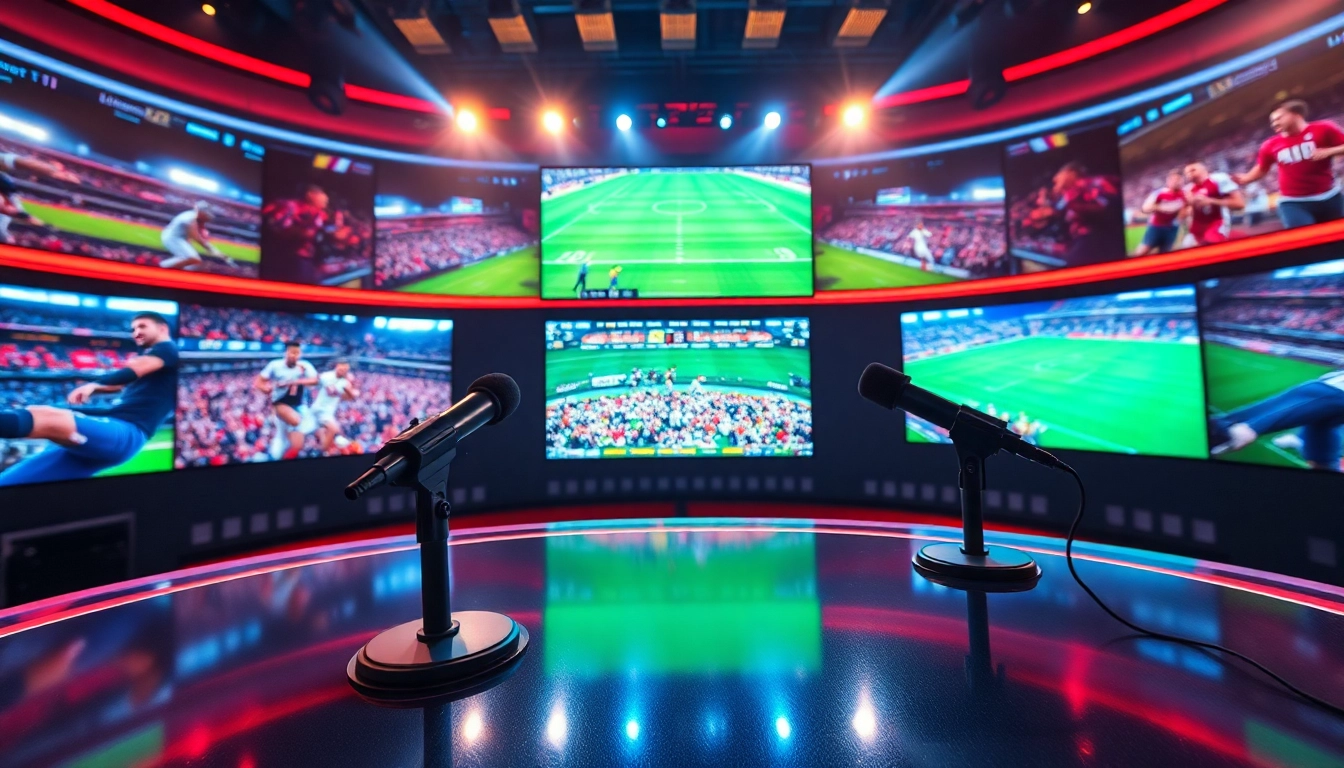
Introduction to Sports Broadcasting
Sports broadcasting is an intricate field that combines the excitement of live sports events with the technical aspects of media production and distribution. This dynamic sector plays a vital role in connecting fans to their favorite teams and athletes, offering a unique blend of entertainment and information. The evolution of technology has transformed sports broadcasting, allowing audiences to enjoy content anytime and anywhere. The significance of Sports Broadcasting goes beyond mere viewership; it influences sports culture, creates economic opportunities, and fosters community engagement.
What is Sports Broadcasting?
Sports broadcasting refers to the dissemination of live or recorded sports events via various media platforms, including television, radio, and online streaming. It encompasses all forms of media that provide coverage of sporting events, including play-by-play commentary, analysis, interviews, and highlights. This medium not only showcases athletic performances but also conveys the stories behind the events, enriching the viewer’s experience.
Importance of Sports Broadcasting
Sports broadcasting serves as a bridge between athletes and their fans. It provides fans with real-time access to games, highlights, and analyses that deepen their connection to the sport. Furthermore, broadcasting plays a critical economic role, driving revenue through advertising, sponsorships, and subscriptions. The ability to reach a global audience ensures that sports events can attract diverse viewership, fostering a sense of community among fans and enhancing the overall popularity of sports.
Types of Sports Broadcasting
Sports broadcasting can be categorized into several types, each catering to different audience segments:
- Live Broadcasting: Real-time coverage of events as they happen, allowing fans to experience the thrill of the game.
- Recorded Broadcasting: Highlights and summaries of events that allow fans to catch up on missed games.
- Analysis Shows: Programs dedicated to in-depth analysis of games, player performances, and tactics.
- Documentaries: In-depth storytelling that provides insights into athletes’ lives and the history of sports.
- Online Streaming: Digital platforms that offer flexibility for viewers, enabling them to watch on various devices.
Technical Aspects of Sports Broadcasting
Essential Equipment for Sports Broadcasting
In sports broadcasting, the right equipment can mean the difference between an average broadcast and an exceptional one. Key equipment includes:
- Cameras: High-definition cameras are essential for capturing all angles of the action, including slow-motion capabilities for replays.
- Microphones: Quality microphones are necessary for clear audio during commentary and on-field interviews.
- Broadcast Mixers: These enable the integration of audio from various sources, providing a balanced sound for viewers.
- Production Switchers: Used to switch between multiple video feeds, ensuring a smooth transition during live events.
- Graphics Systems: These provide viewers with essential statistics and information in real-time.
Broadcasting Software and Platforms
The technological landscape of sports broadcasting is evolving, with numerous software and platforms available to enhance production quality. Key broadcasting software includes:
- Video Editing Software: Tools like Adobe Premiere Pro and Final Cut Pro are vital for post-production work, enabling editors to create compelling highlight reels.
- Streaming Software: Programs such as OBS Studio and Wirecast allow broadcasters to stream live events on various platforms, including social media.
- Analytics Software: These tools help broadcasters monitor viewership data and engagement metrics for ongoing improvement.
Understanding Video and Audio Quality
The quality of video and audio in sports broadcasting significantly impacts the viewer’s experience. Factors to consider include:
- Resolution: Higher resolutions like 4K provide sharper images, enhancing the viewing experience, especially on larger screens.
- Frame Rate: A higher frame rate (e.g., 60fps) produces smoother motion, vital for fast-paced sports.
- Audio Clarity: Clear audio is essential for commentary and crowd reactions, adding depth to the viewing experience.
Content Creation in Sports Broadcasting
Developing Engaging Sports Commentary
Commentary is a critical element in sports broadcasting, as it shapes the viewers’ understanding and enjoyment of the game. Effective commentary involves:
- Knowledge of the Sport: Commentators should possess a deep understanding of the game, including rules, strategies, and key players.
- Engaging Language: Use dynamic language that conveys excitement and effectively describes pivotal moments in the game.
- Balanced Perspectives: Providing balance in commentary by giving insights into both teams, enhances credibility and viewer engagement.
Highlighting Key Moments in Sports
Highlighting key moments is essential for retaining viewer interest and creating memorable broadcasts. Techniques to achieve this include:
- Replays: Utilize slow-motion replays to showcase significant plays and pivotal moments, allowing viewers to appreciate the skill involved.
- Tight Camera Shots: Focus on key players during critical moments to capture emotions and reactions.
- Top Plays Segments: Regularly feature segments showcasing the best plays of the game or season, enhancing viewer engagement.
Storytelling Techniques in Sports Broadcasting
Storytelling adds depth to sports broadcasts, making them more engaging. Effective storytelling includes:
- Character Development: Highlighting players’ backstories creates a connection between viewers and athletes.
- Emotional Arc: Narratives that build tension and emotional investment during games cultivate viewer attachment.
- Contextualization: Providing context to plays and matches, such as historical significance, engages viewers on a deeper level.
Audience Engagement Strategies
Building a Community Around Your Broadcast
Creating a sense of community is vital for sustained viewer engagement. Strategies to foster community include:
- Interactive Features: Incorporate polls and quizzes during broadcasts to encourage viewer participation and interaction.
- Fan Focus: Highlight fans in the audience, sharing their reactions and comments, fosters a sense of belonging among viewers.
- Regular Content: Establish a consistent schedule for programming to build an audience that returns regularly.
Utilizing Social Media for Engagement
Social media has transformed how sports broadcasts engage with audiences. Best practices include:
- Real-Time Updates: Use platforms like Twitter to provide live updates and engage with viewers during broadcasts.
- Behind-the-Scenes Content: Share exclusive content and insider views on platforms like Instagram and Snapchat.
- Fan Interaction: Encourage viewers to share their opinions, questions, and experiences through social media posts and hashtags.
Live Interactions and Q&A Sessions
Encouraging live interactions enhances viewer engagement. Tips include:
- Live Chats: Integrating live chats during broadcasts allows for real-time interaction between commentators and viewers.
- Q&A Sessions: Host Q&A sessions with athletes or experts post-broadcast to deepen viewer engagement.
- Feedback Opportunities: Offer avenues for viewers to provide feedback and suggestions for future broadcasts.
Performance Metrics in Sports Broadcasting
Analyzing Viewership Data
Understanding viewership data is crucial for optimizing content. Key metrics to focus on include:
- Audience Size: Measure the number of viewers during live events to determine overall interest.
- Engagement Rates: Analyze metrics like likes, shares, and comments to gauge viewer interaction.
- Demographics: Understand the demographics of your audience to tailor content and marketing strategies.
Improving Broadcast Quality Based on Feedback
Feedback is essential for continuous improvement in broadcasting. Strategies include:
- Surveys: Conduct post-broadcast surveys to gather viewer opinions on content and quality.
- Analyzing Comments: Review viewer comments on social media and other platforms to identify areas for improvement.
- Technical Audits: Regularly assess technical performance, including audio and video quality, to ensure optimal viewer experience.
Future Trends in Sports Broadcasting
The landscape of sports broadcasting is constantly evolving. Emerging trends include:
- Augmented Reality (AR) and Virtual Reality (VR): These technologies offer immersive viewing experiences that enrich the audience’s connection with the sport.
- Personalized Broadcasting: Advanced algorithms help provide content tailored to individual viewer preferences.
- Increased Accessibility: Enhanced streaming options allow for greater access to live events across multiple platforms.
Frequently Asked Questions
1. What skills are necessary for a sports broadcaster?
A sports broadcaster needs strong communication skills, a deep understanding of sports, and the ability to engage an audience effectively.
2. How has technology impacted sports broadcasting?
Technology has enhanced video and audio quality, expanded viewing options, and improved interactivity with audiences through social media and streaming services.
3. What are the primary challenges in sports broadcasting?
Challenges include competition for viewer attention, maintaining high broadcast quality, and adapting to changing technologies and audience preferences.
4. How can broadcasters measure viewer engagement?
Viewers’ engagement can be measured using metrics like viewership numbers, social media interactions, and viewer feedback through surveys and comments.
5. What role does storytelling play in sports broadcasting?
Storytelling is crucial for connecting viewers to the sport, generating emotional investment, and making broadcasts more memorable and engaging.
About the Author